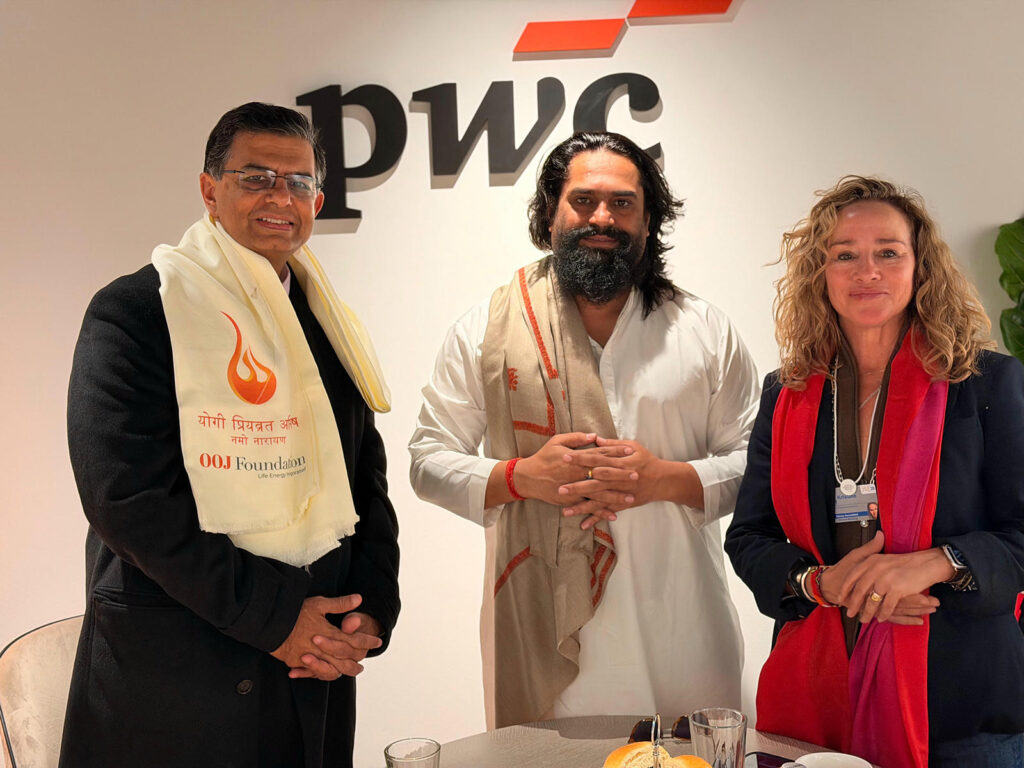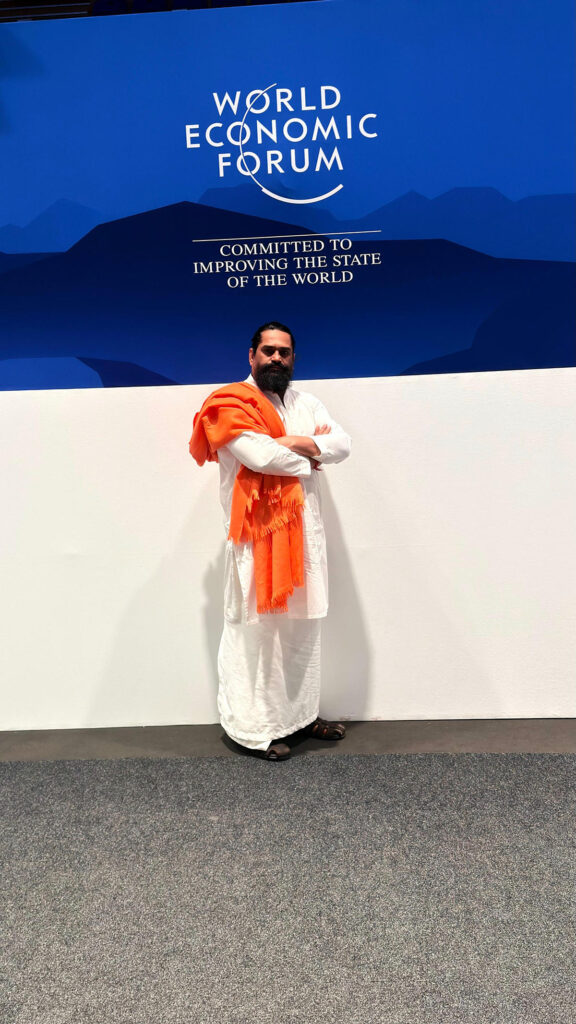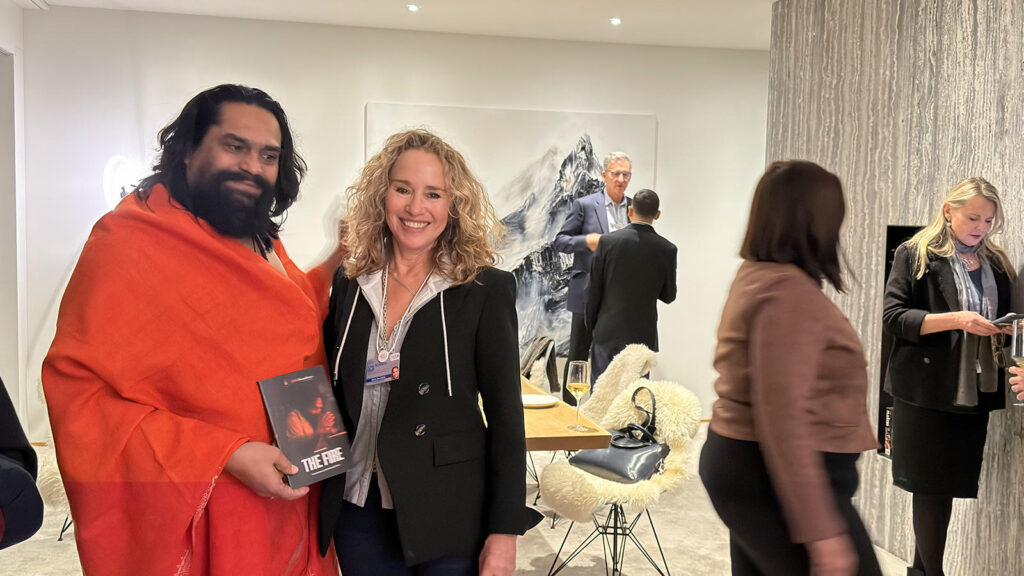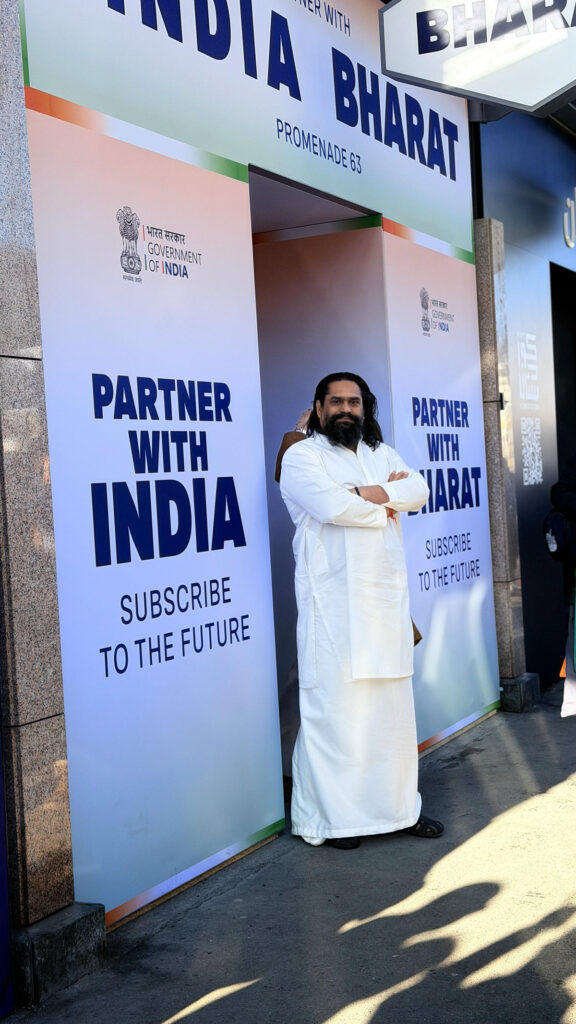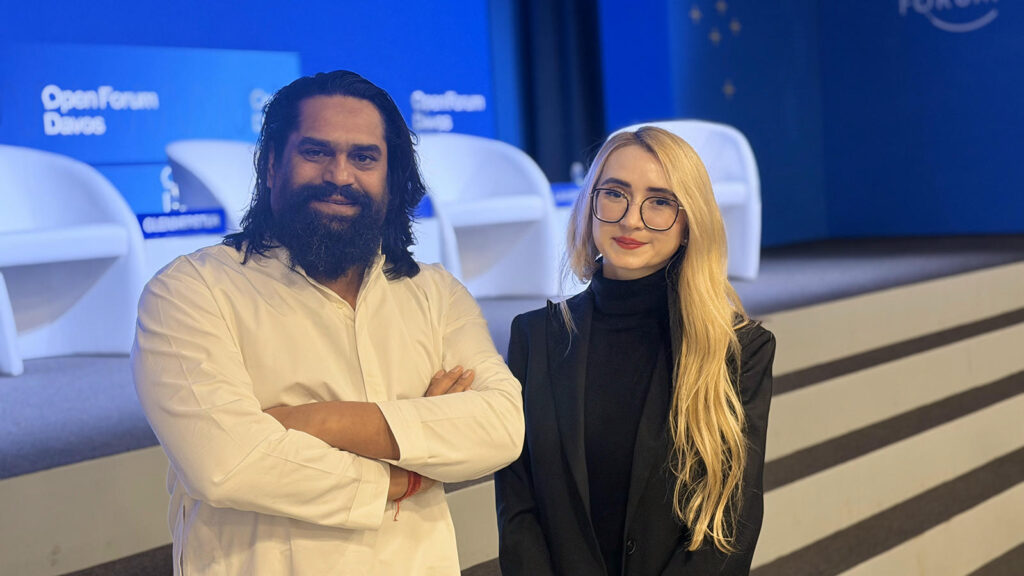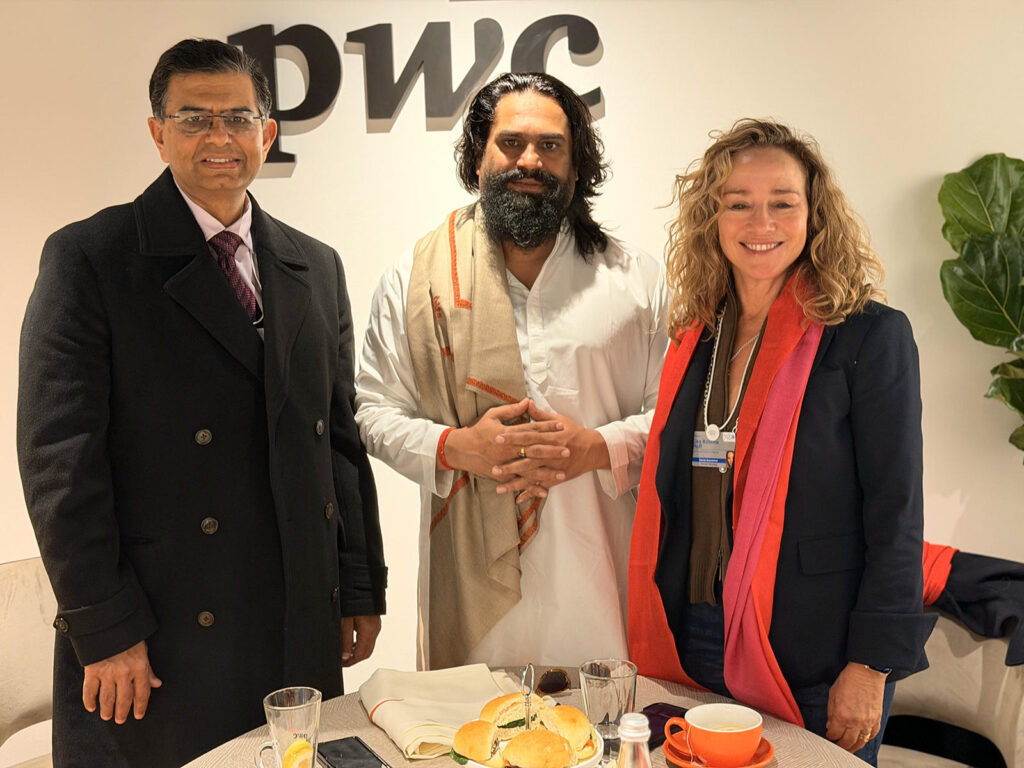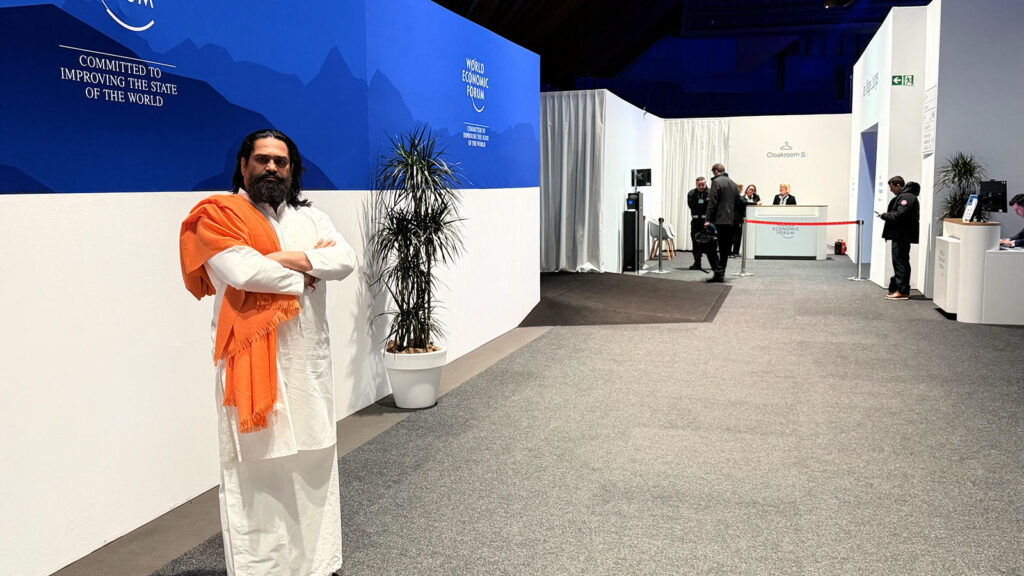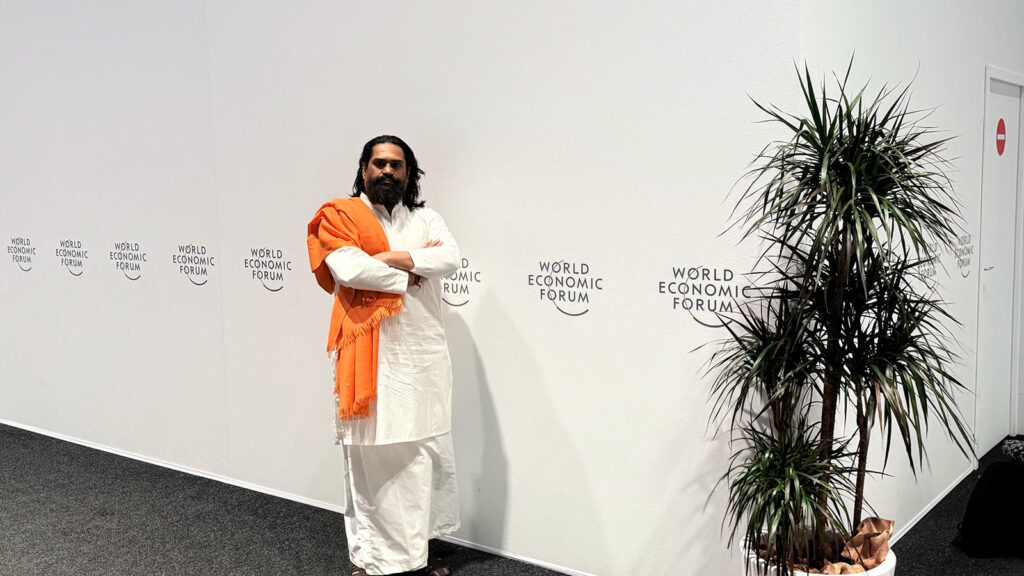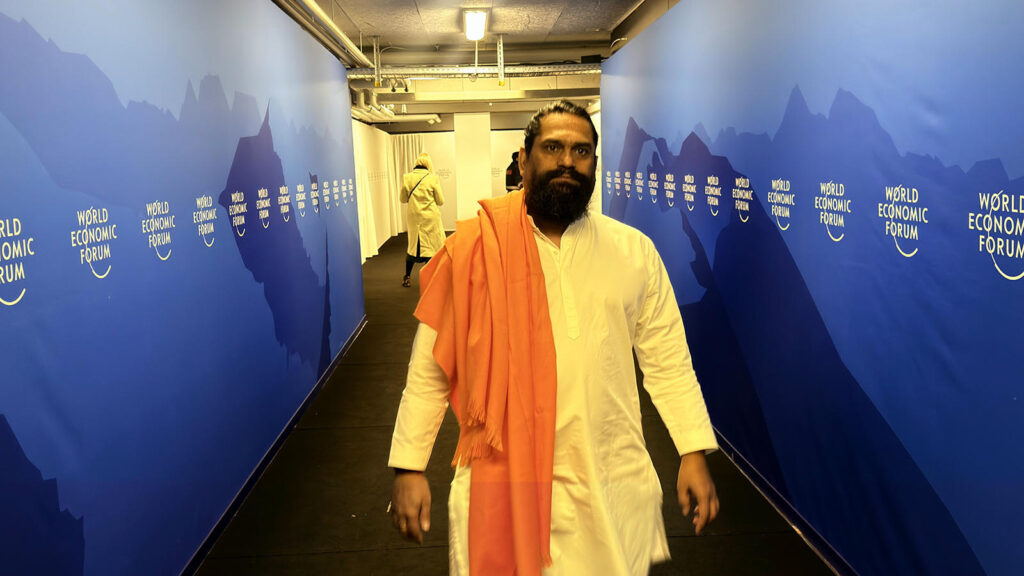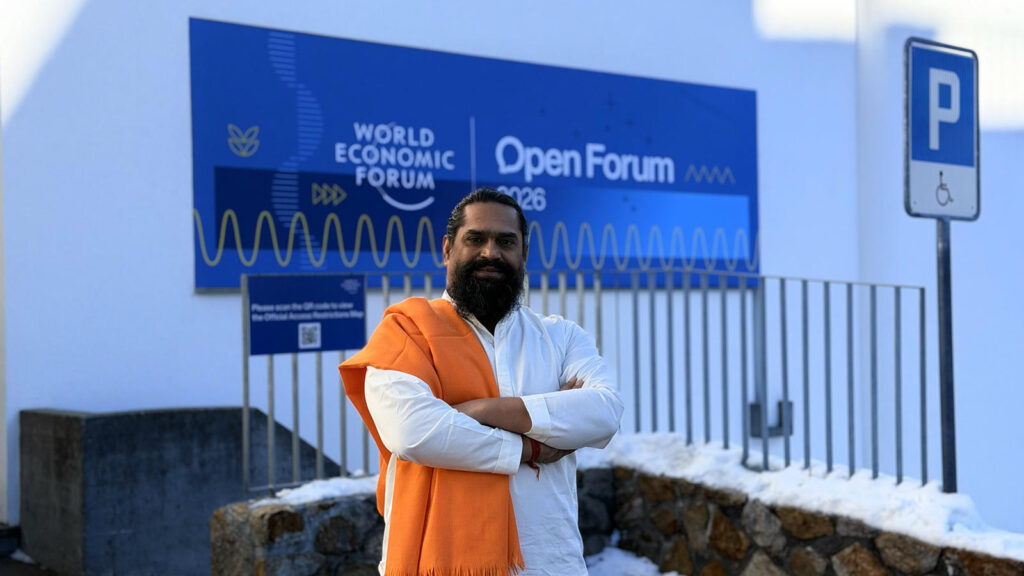
From January 19–21, I participated in the World Economic Forum Annual Meeting in Davos, engaging in a series of private dialogues on leadership, consciousness, and the evolving responsibilities of those shaping global systems.
Across meetings with leaders from business, philanthropy, civil society, and the arts, a common theme emerged: the challenges facing the world today – climate stress, economic uncertainty, social fragmentation, and declining institutional trust – cannot be addressed by technical solutions alone.
They require a deeper quality of leadership.
At Davos, our conversations centered on compassionate leadership – leadership grounded in awareness, ethical clarity, and respect for human and natural systems. We explored how decisions driven purely by speed, competition, or short-term metrics often deepen instability, while restraint, long-term thinking, and inner clarity can create the conditions for genuine resilience.
I also had thoughtful exchanges with Sanjeev Krishnan (Chairman, PwC India), Dr. Alganesh Fessaha (Gandhi Charity), Scott Cunningham (Human Thread Foundation), Ashoka Fellow Loana Bauer, and humanitarian filmmaker Lisa Kristine. Together, we reflected on how leadership today must balance power with compassion, influence with responsibility, and ambition with conscience.
One insight resonated throughout: global systems are interconnected, and leadership disconnected from consciousness inevitably creates imbalance – socially, economically, and ecologically.
The path forward is not merely about innovation or growth, but about the quality of awareness behind every decision.
This continues to shape my work at Ooj Foundation – supporting leaders in cultivating inner clarity so that external action serves not only progress, but humanity and the planet as a whole.