
Ooj Foundation’s participation at COP31 Antalya ,Turkiye highlights the relationship between environmental stewardship, the Panchatattva philosophy and humanity’s deeper connection with nature.
Yogi Priyavrat Animesh, spiritual thinker and Founder of Ooj Foundation, visited Türkiye during the 31st United Nations Climate Change Conference (COP31), engaging with environmental practitioners, conservation advocates and individuals committed to climate action and sustainable development.
His visit reflected Ooj Foundation’s continuing endeavour to bring the philosophy of consciousness and the Panchatattva, the five fundamental elements of existence , into contemporary conversations on climate change, ecological balance and humanity’s relationship with nature.
Engagements during COP31
During his five-day engagement in Türkiye, Yogi Priyavrat Animesh attended climate-related programmes and interacted with individuals and organisations working in the fields of environmental conservation, sustainability and climate resilience.
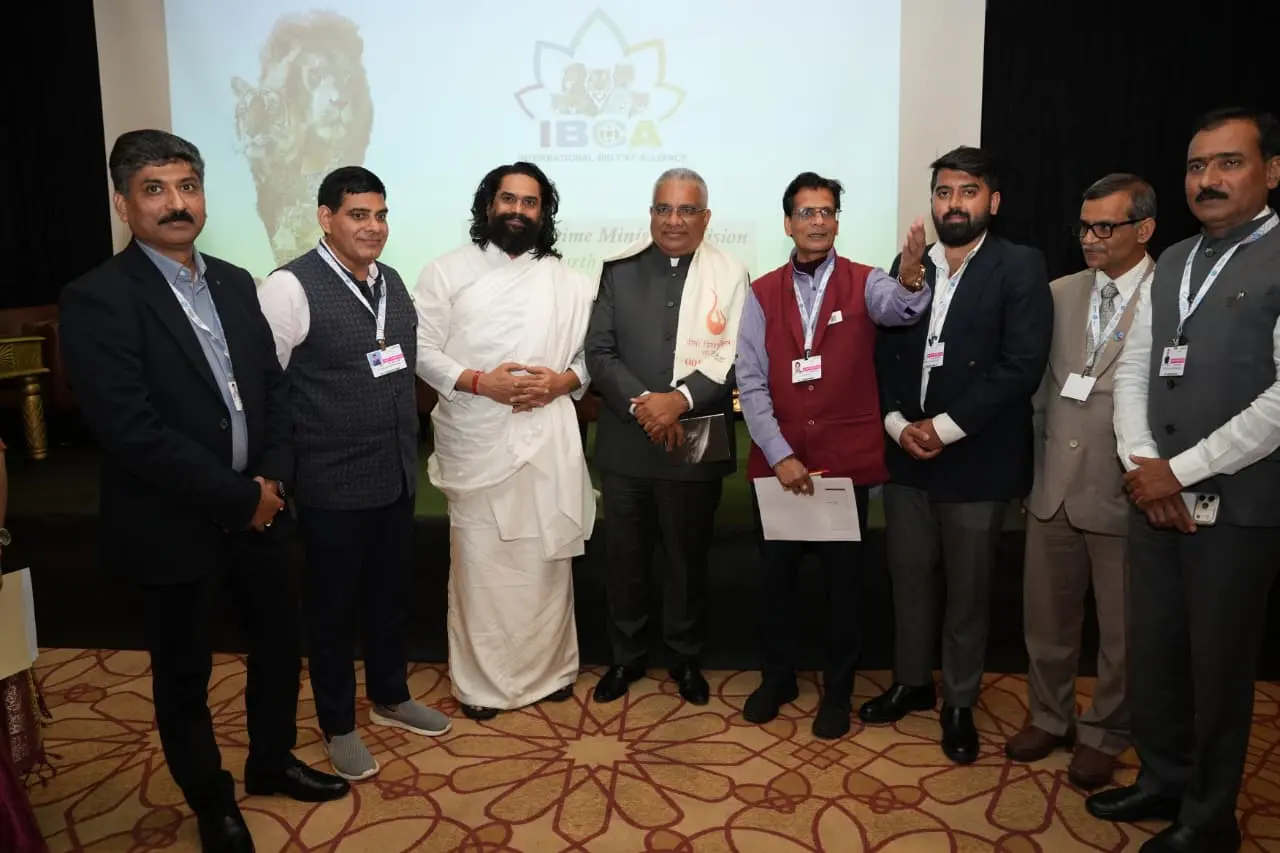
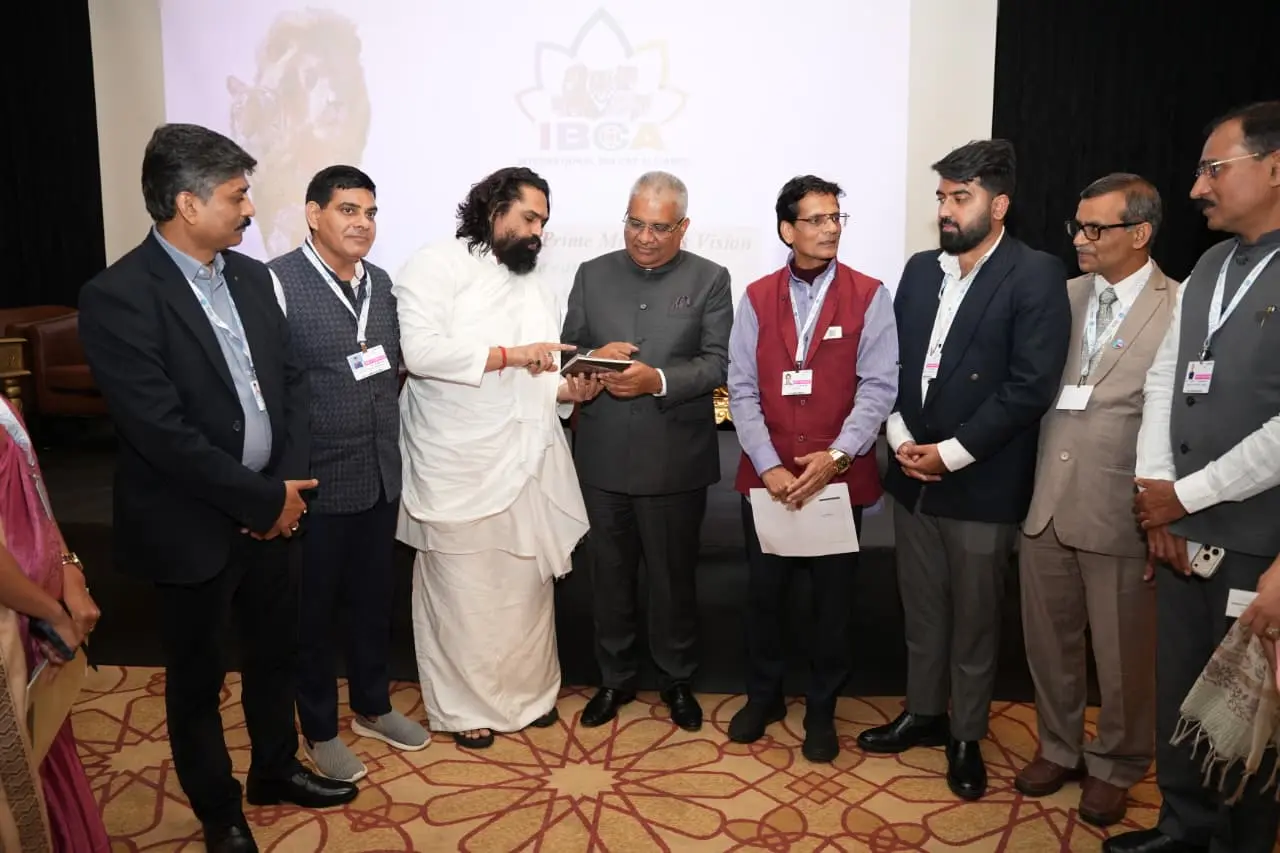
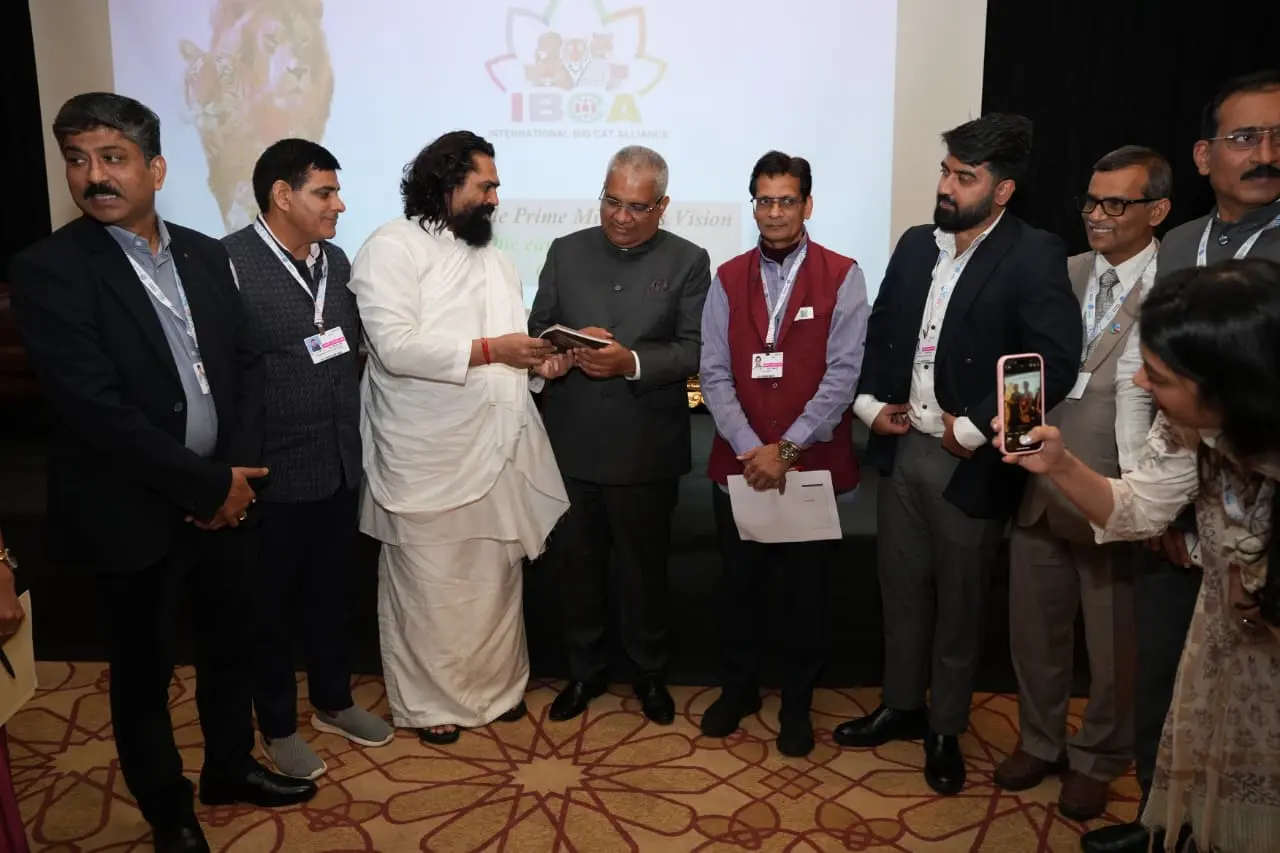
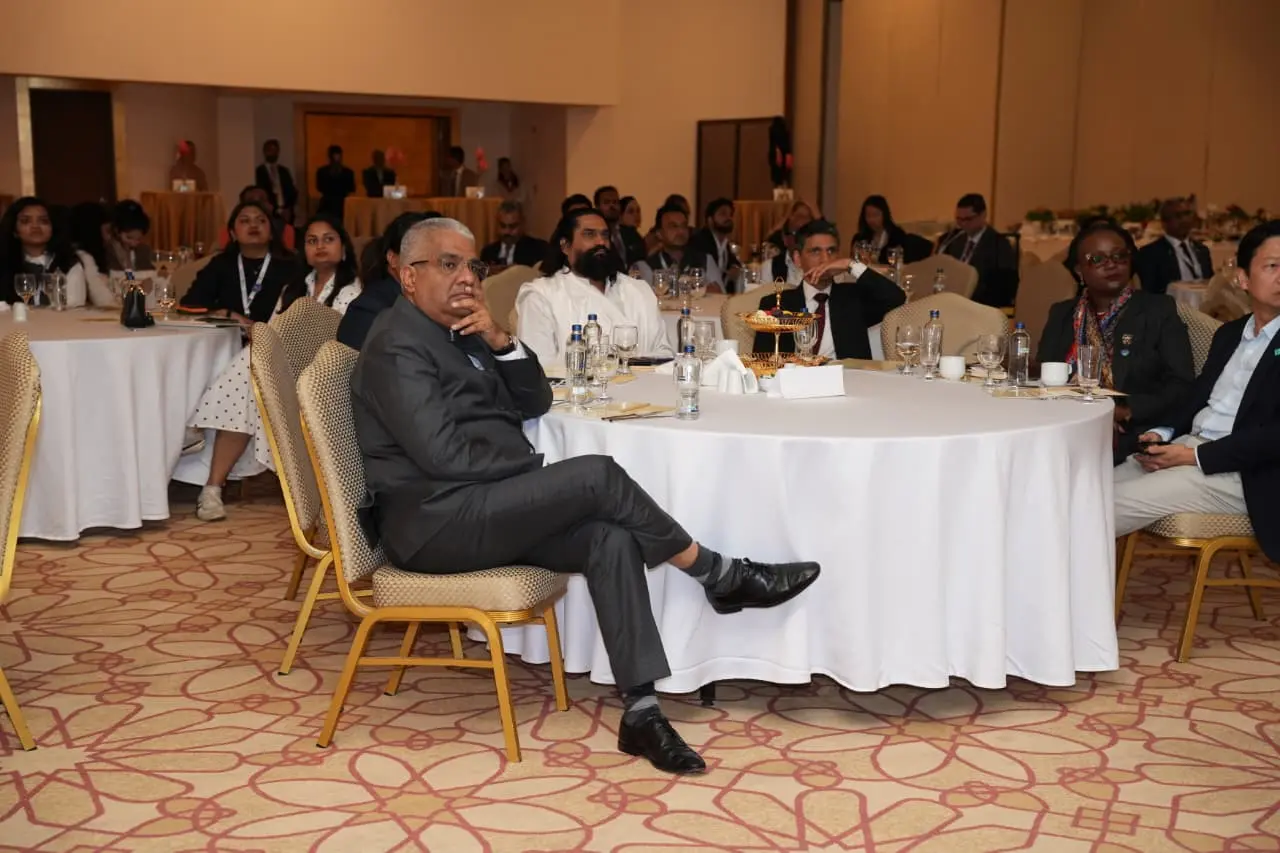
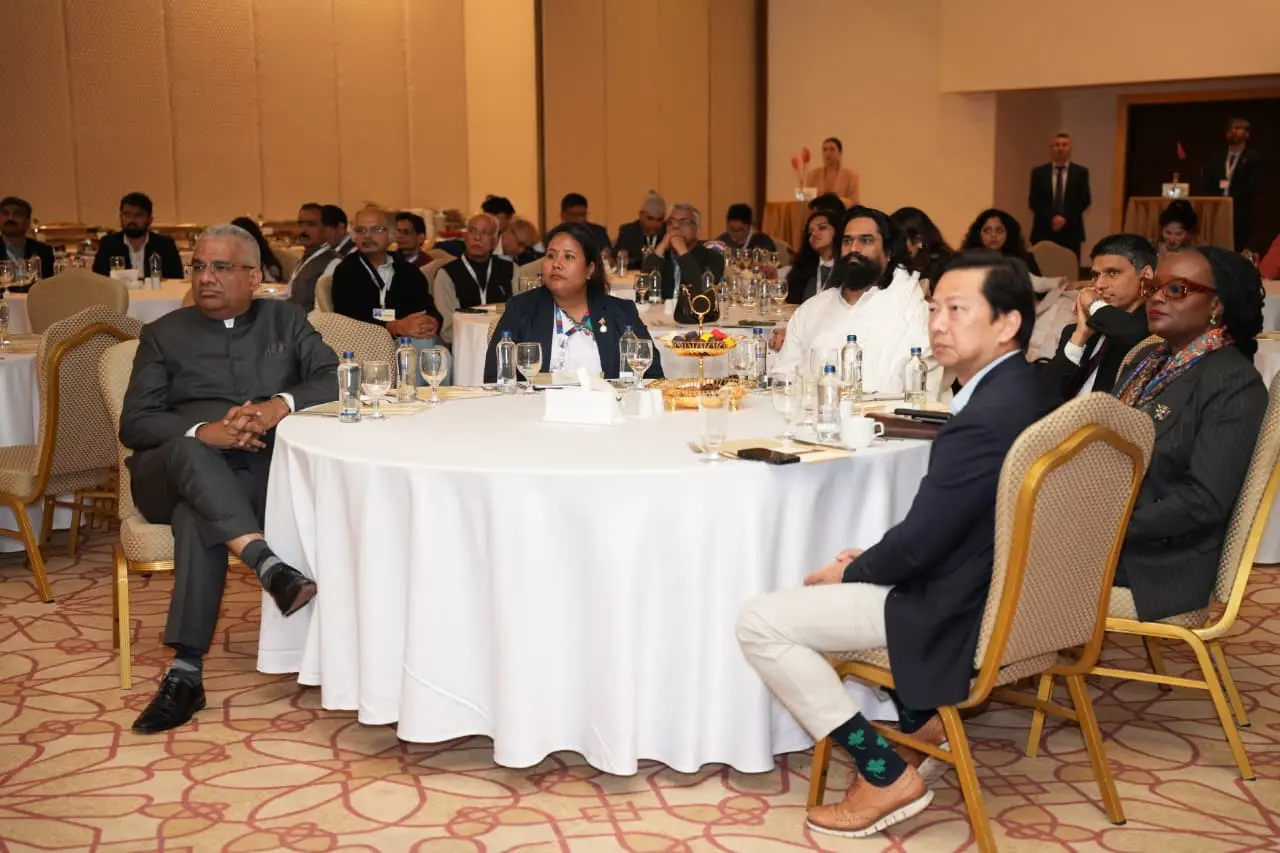
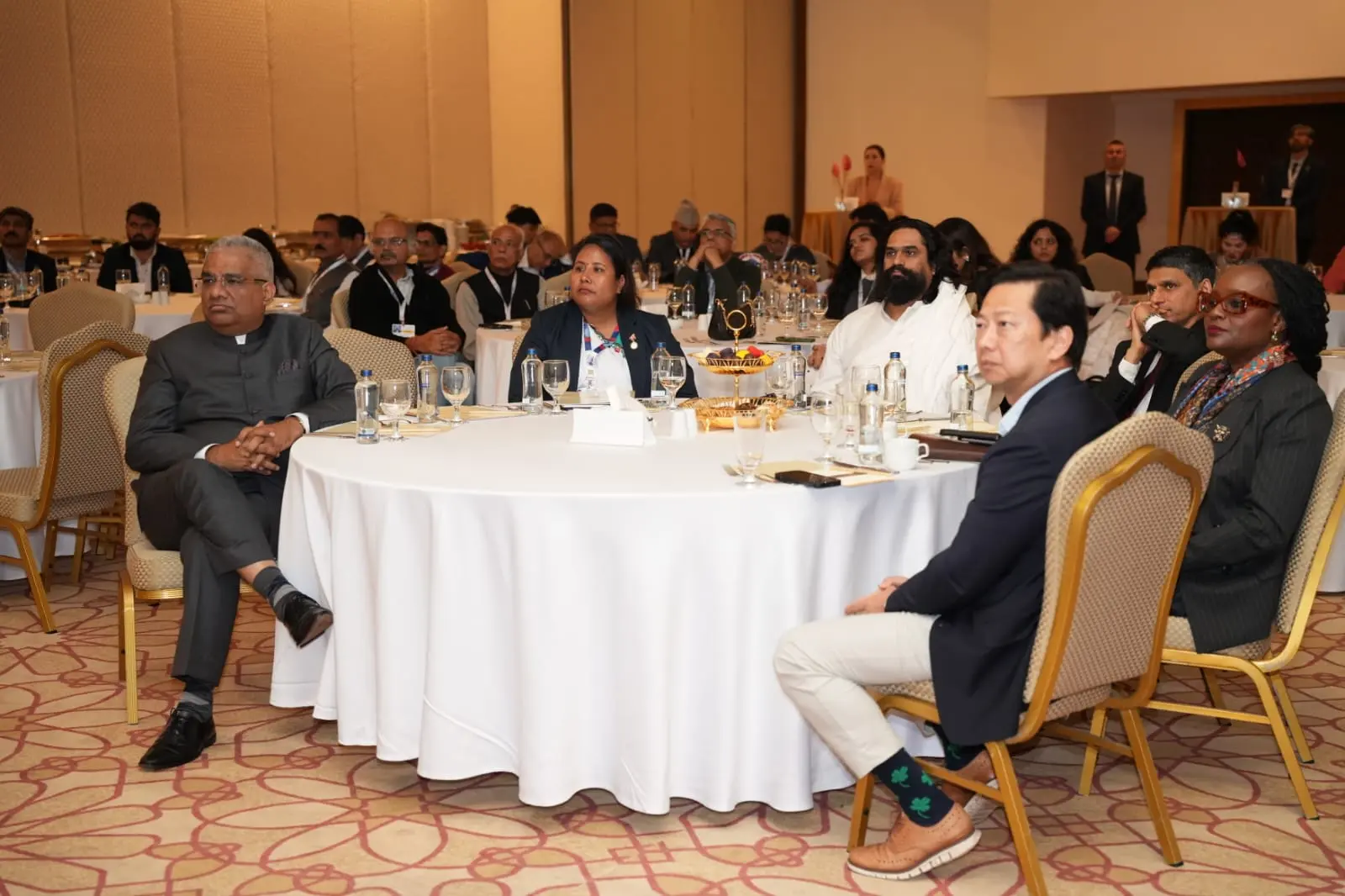
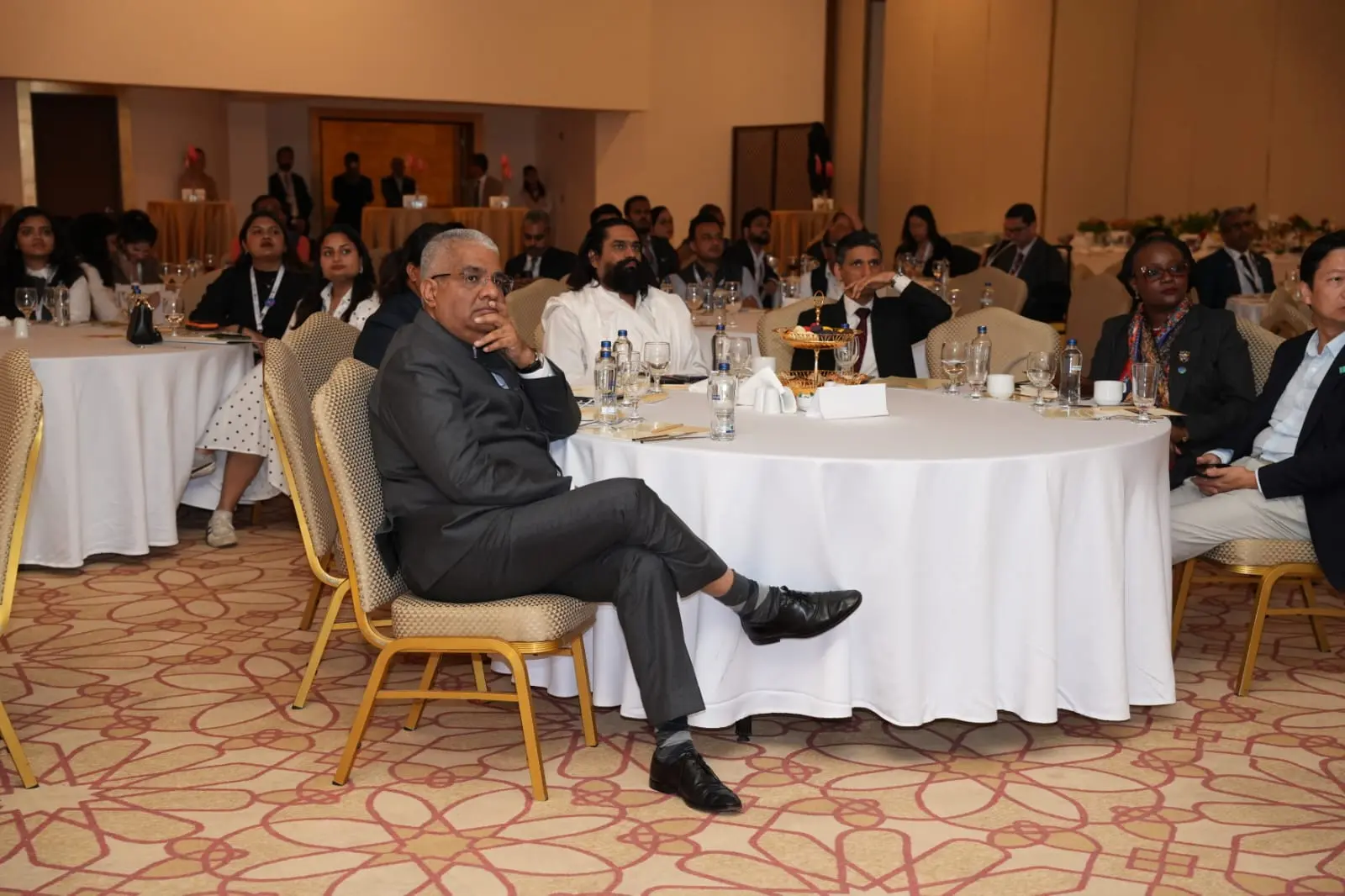
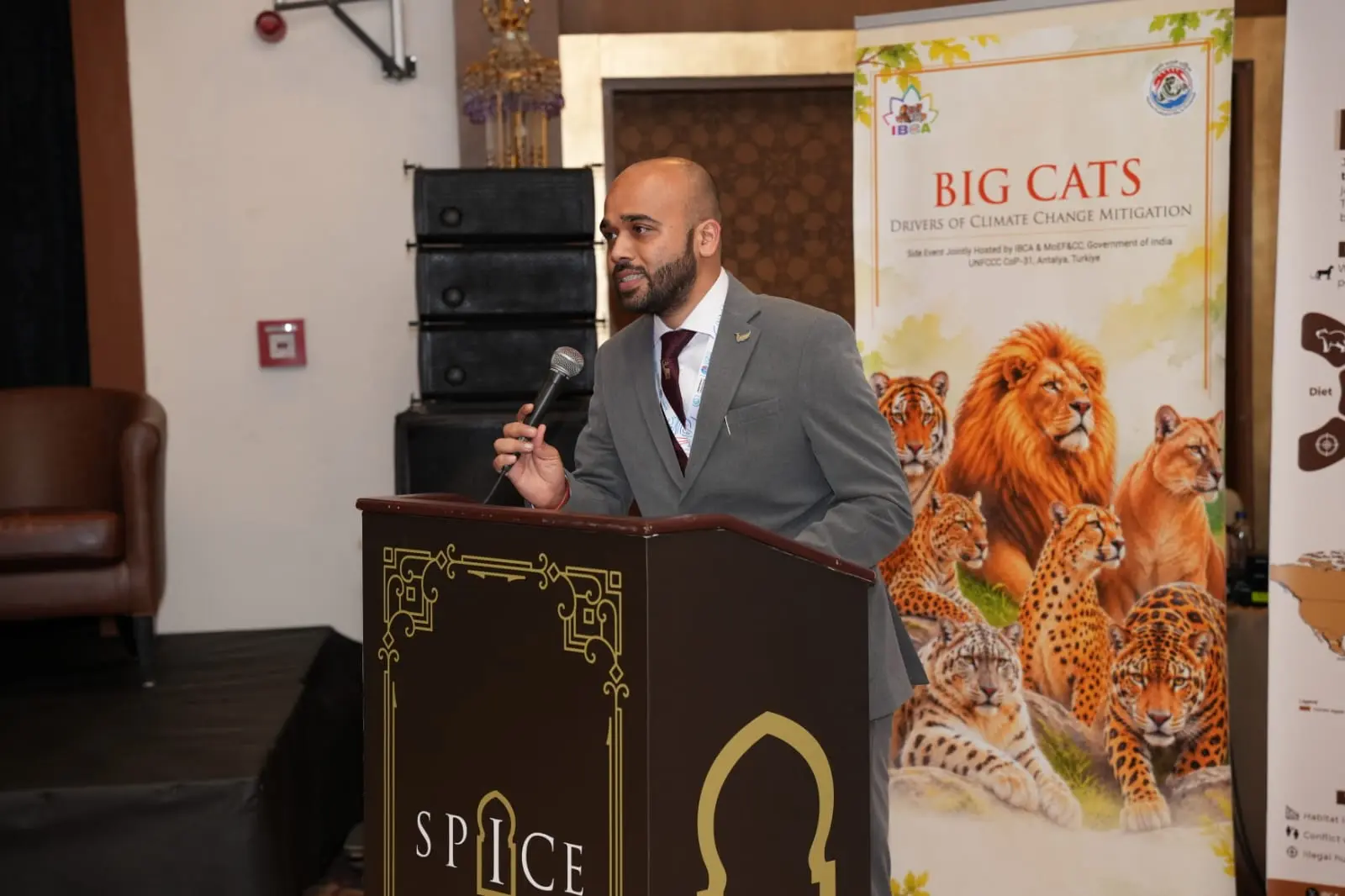
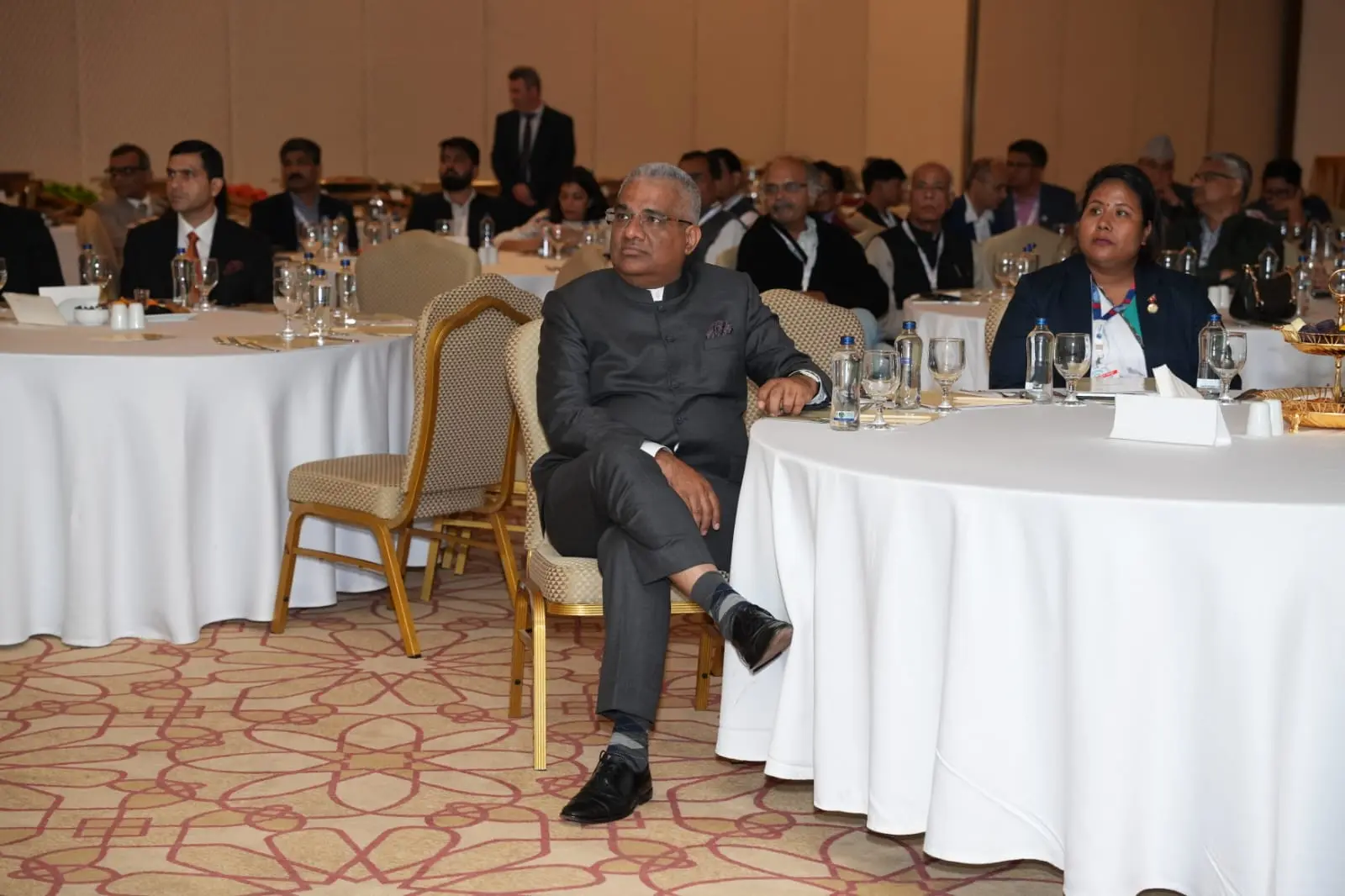
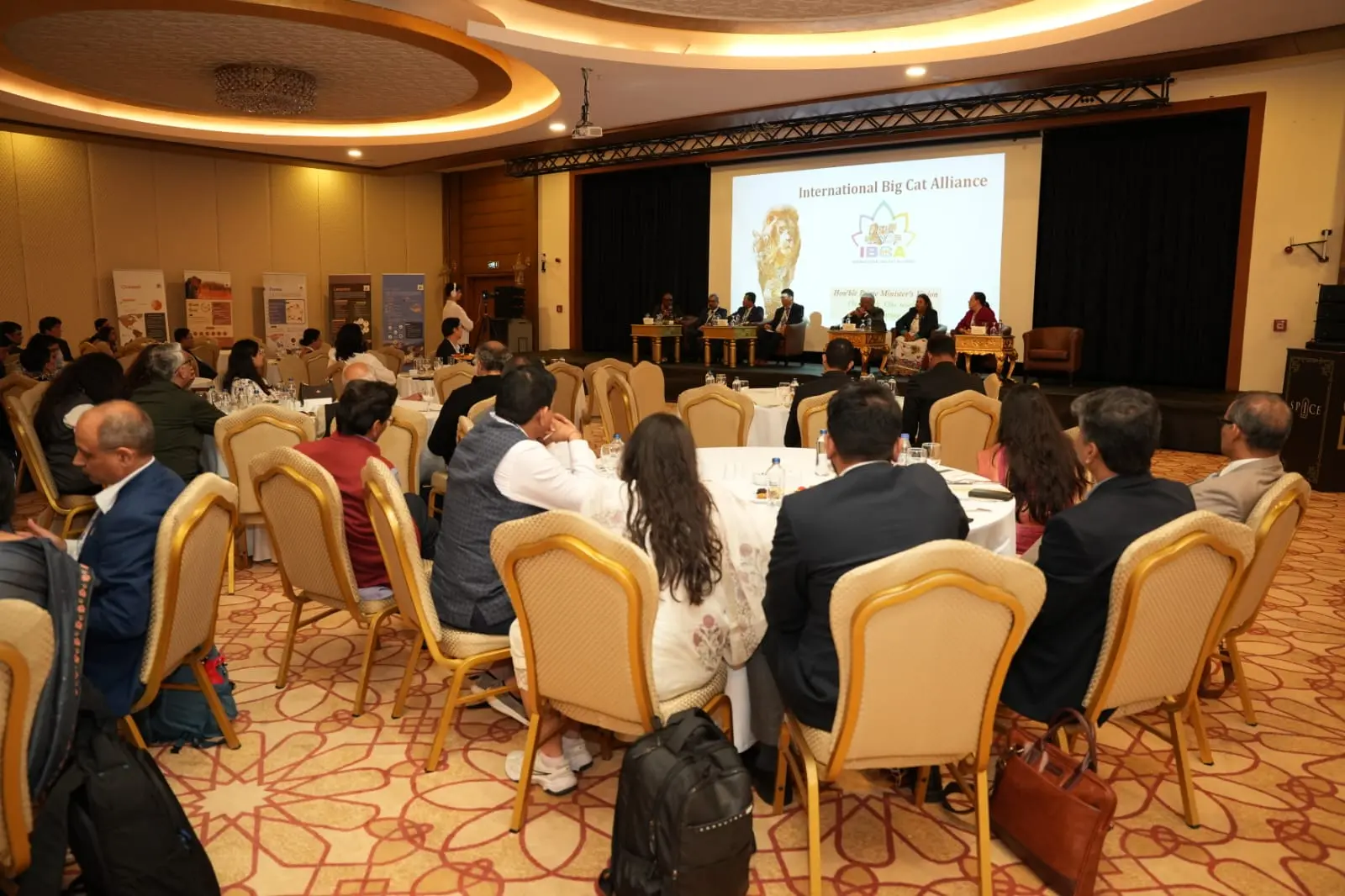
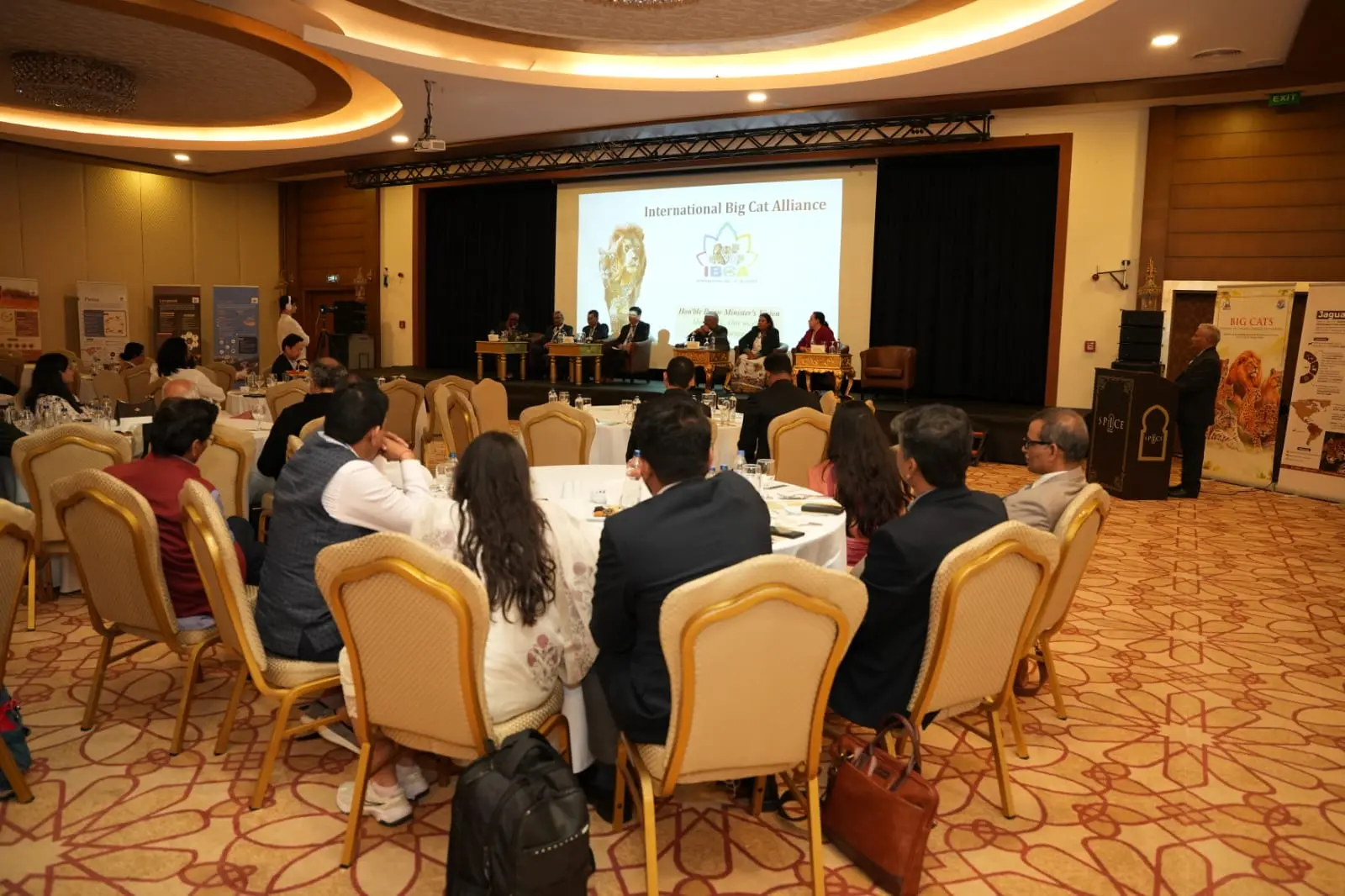
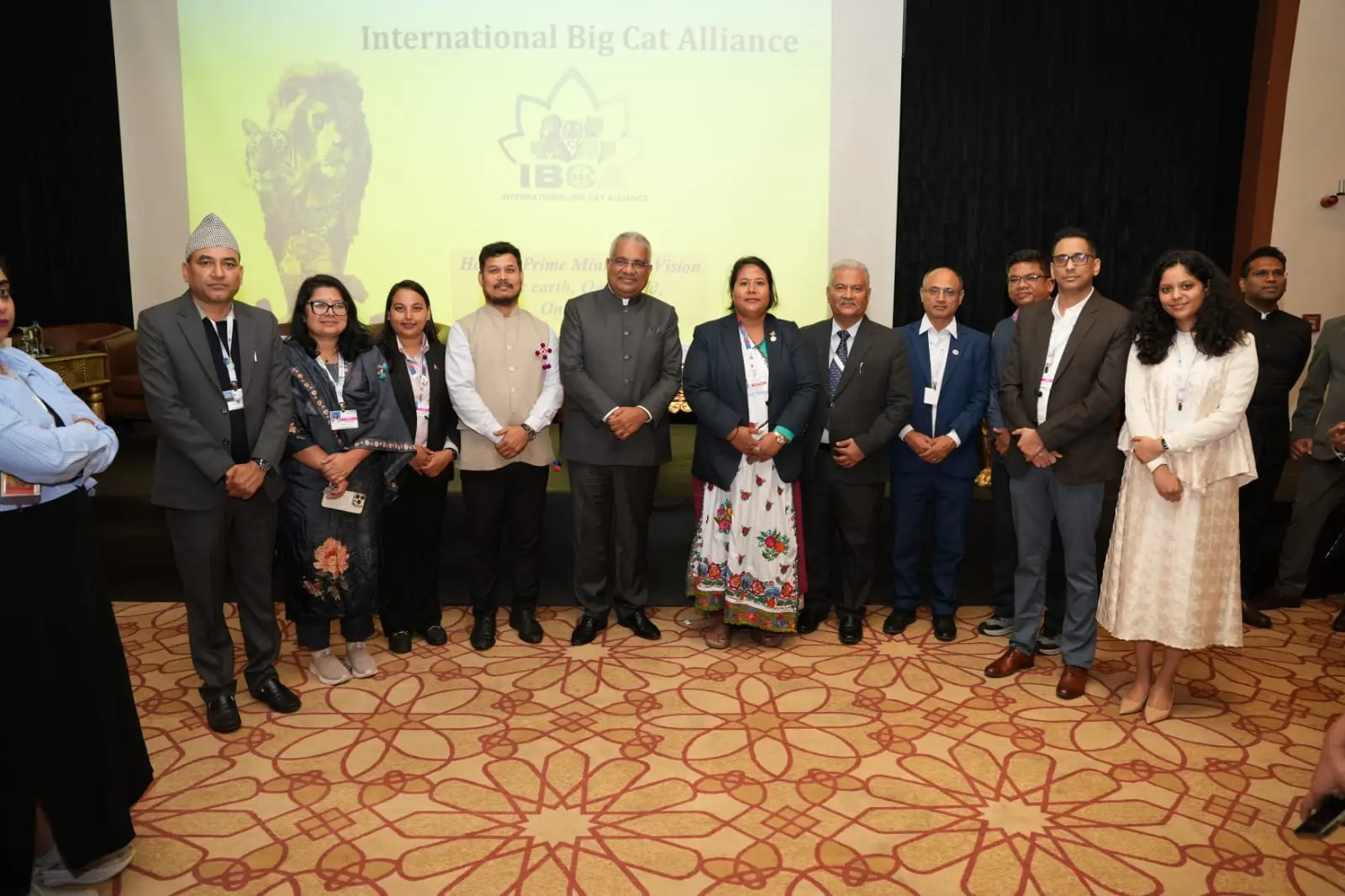
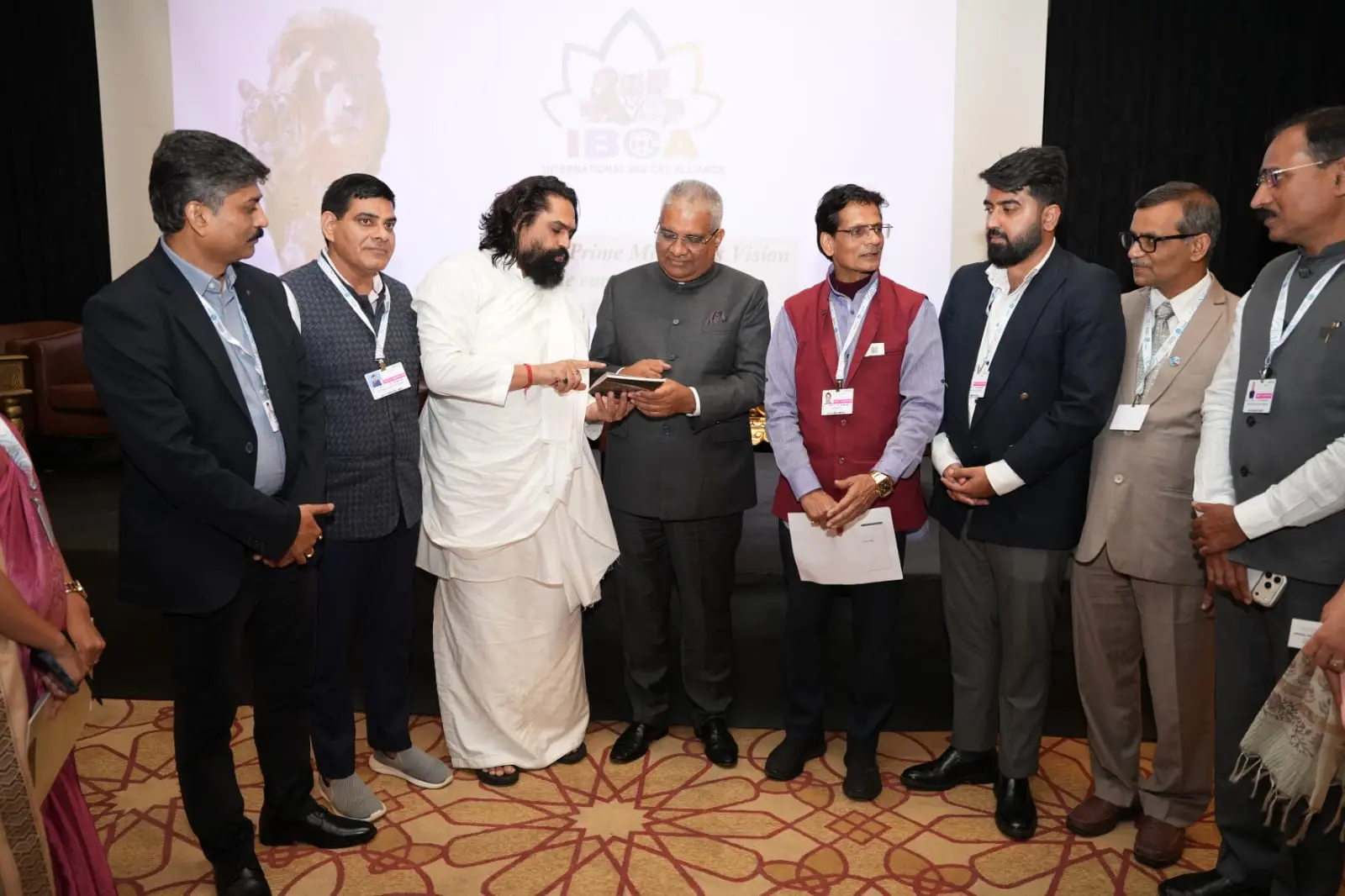
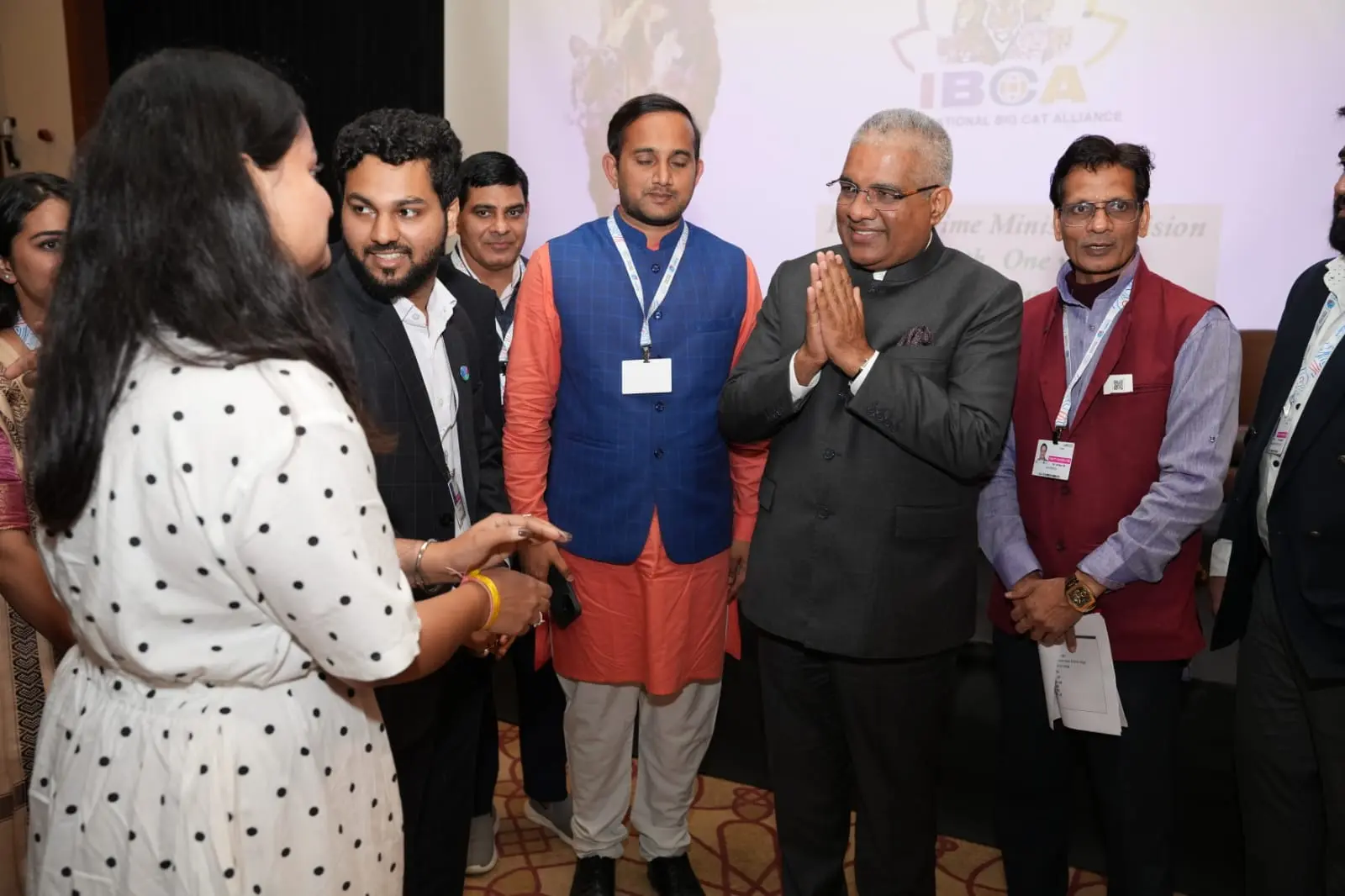
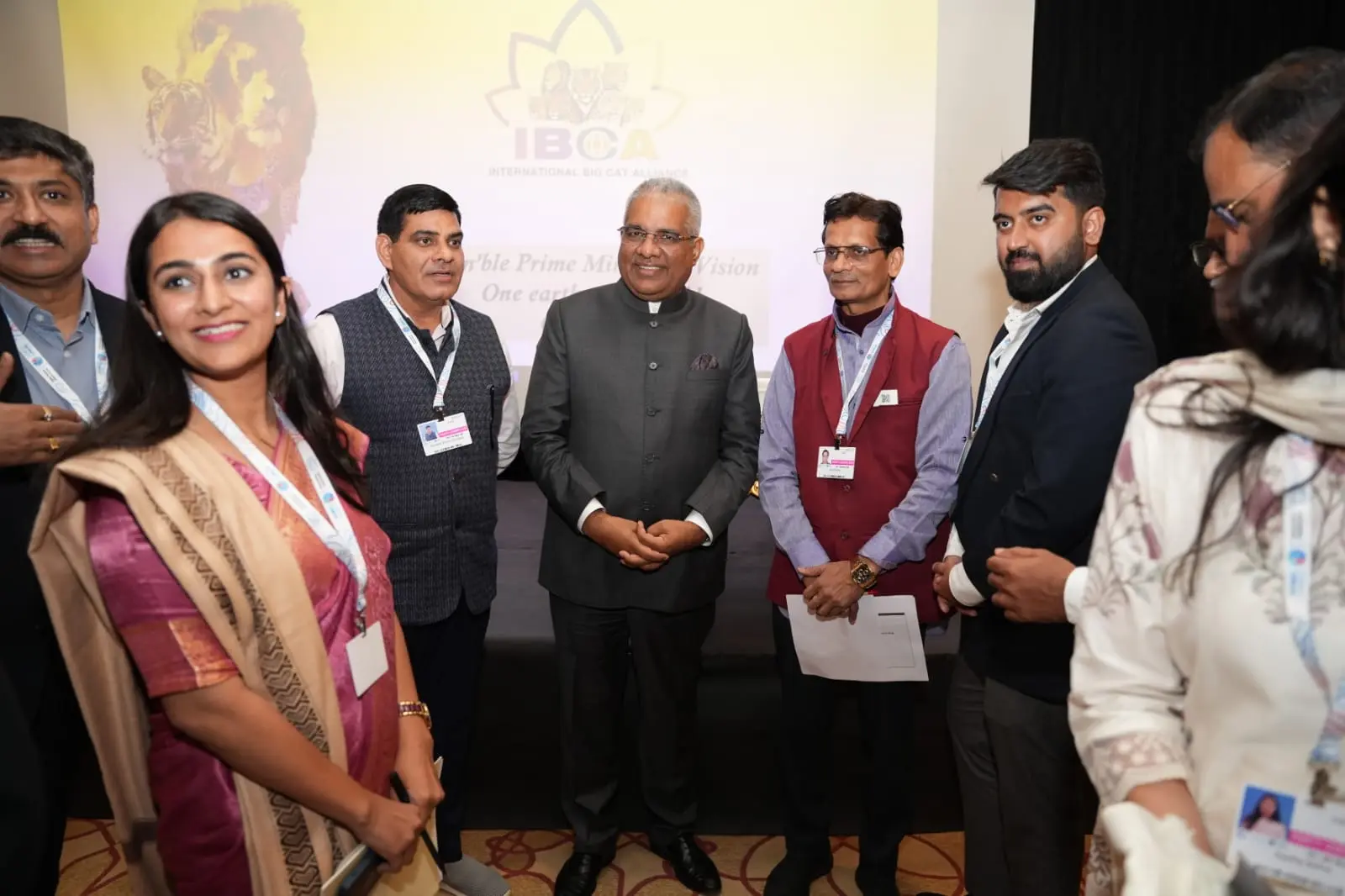
An important occasion was his participation in “Big Cats: Drivers of Climate Change Mitigation”, a special event jointly hosted by the International Big Cat Alliance (IBCA) and the Ministry of Environment, Forest and Climate Change, Government of India, on 16 November 2026 in Antalya.
The gathering brought together individuals committed to wildlife conservation, biodiversity protection and climate resilience. Discussions highlighted the important role of big cat habitats and landscapes in maintaining ecological balance, conserving forests, protecting biodiversity and supporting natural climate solutions.
For Yogiji, the event offered an opportunity to engage with individuals dedicated to protecting the natural world and to reflect upon the relationship between conservation, human responsibility and consciousness.
Interaction with Union Environment Minister Shri Bhupender Yadav
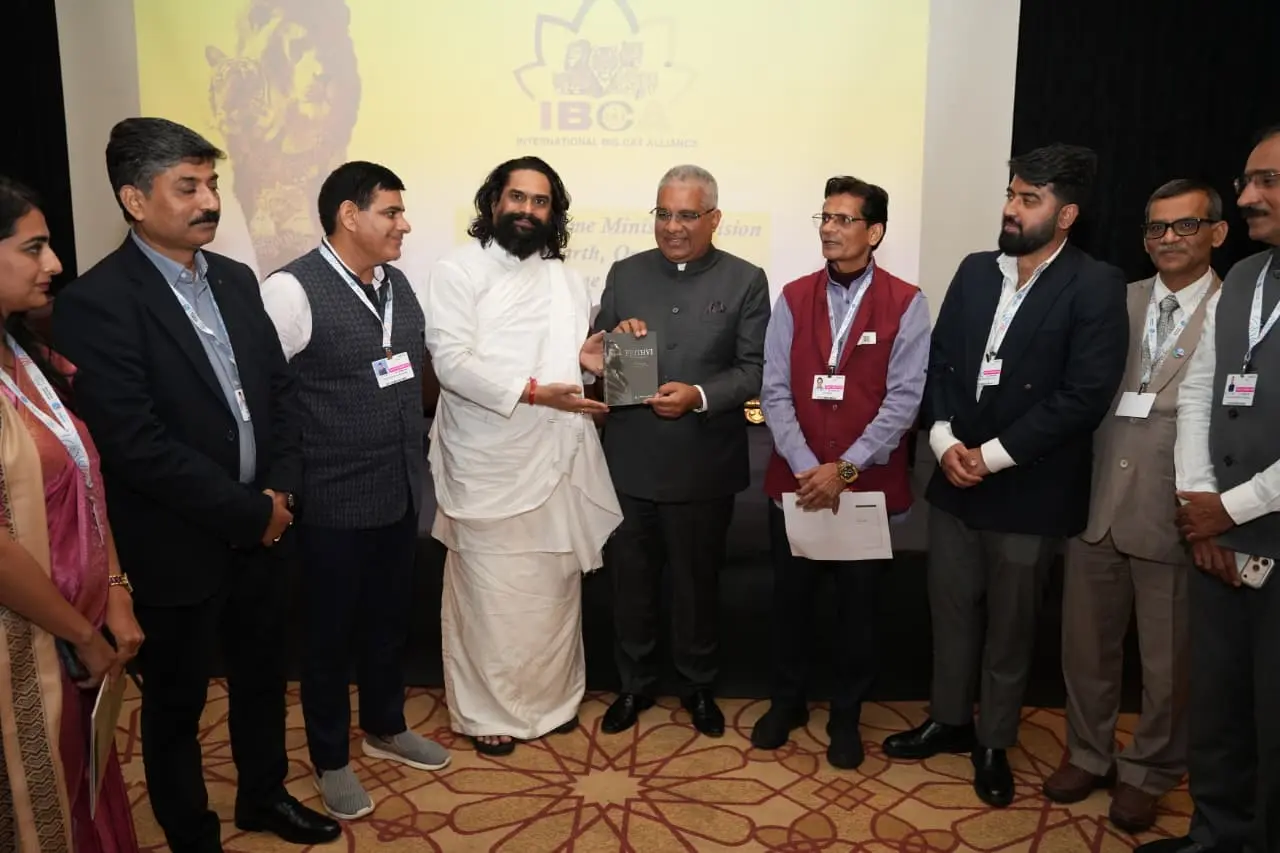
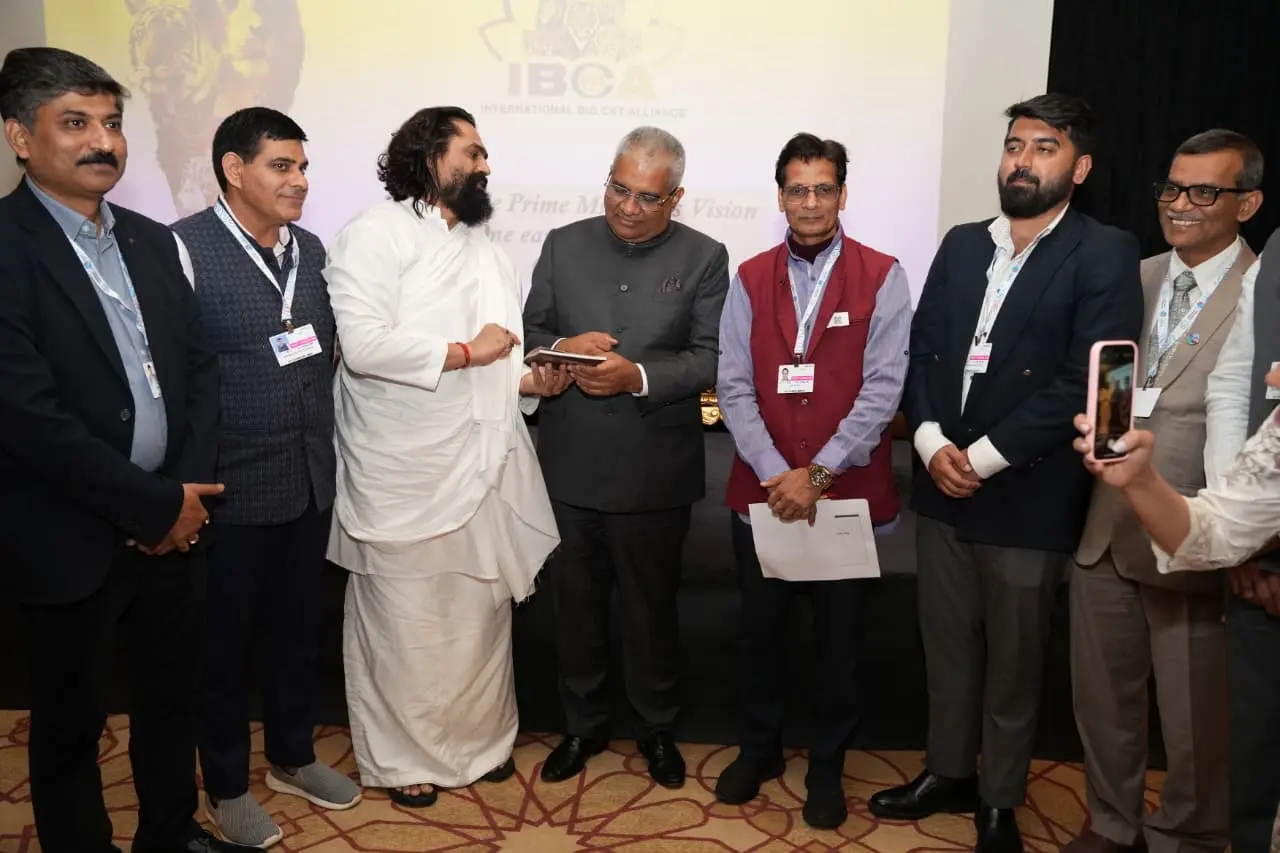
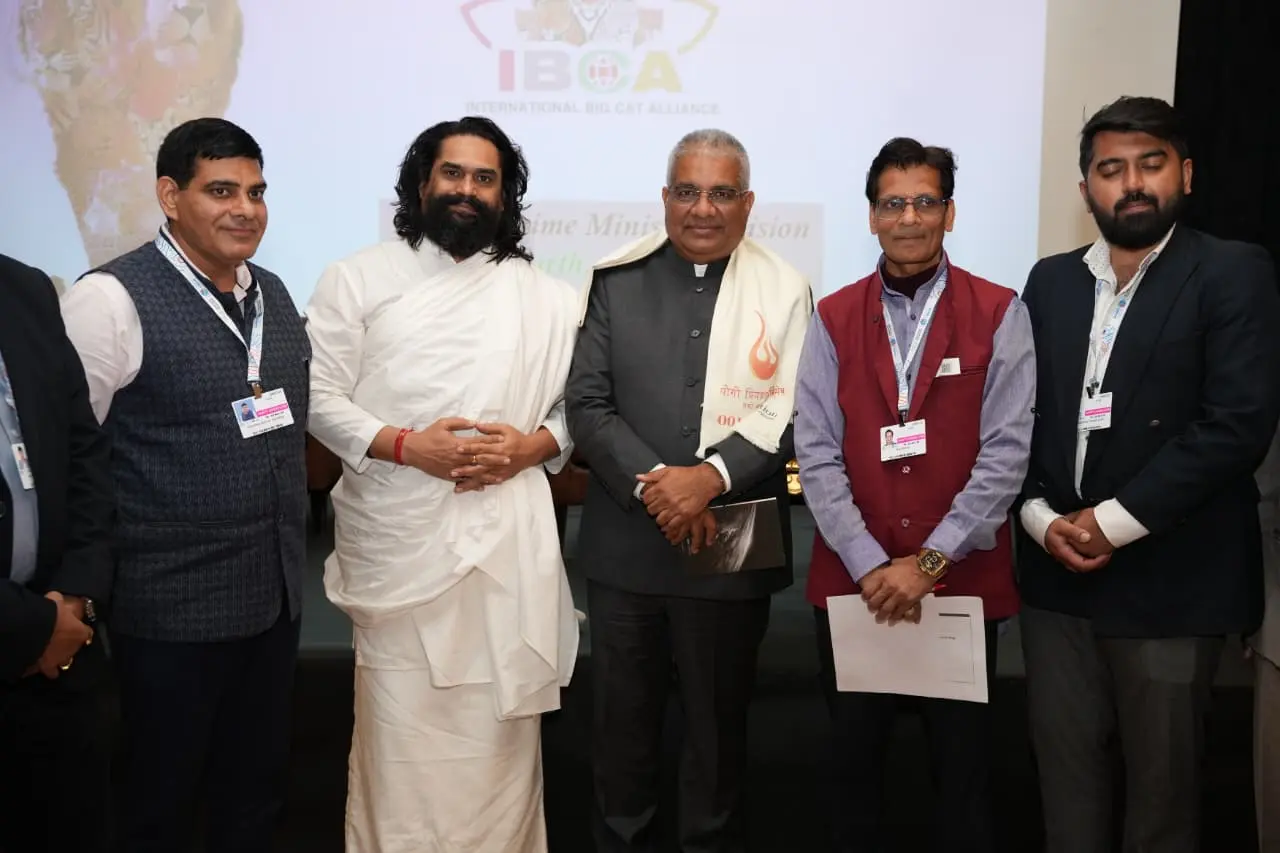
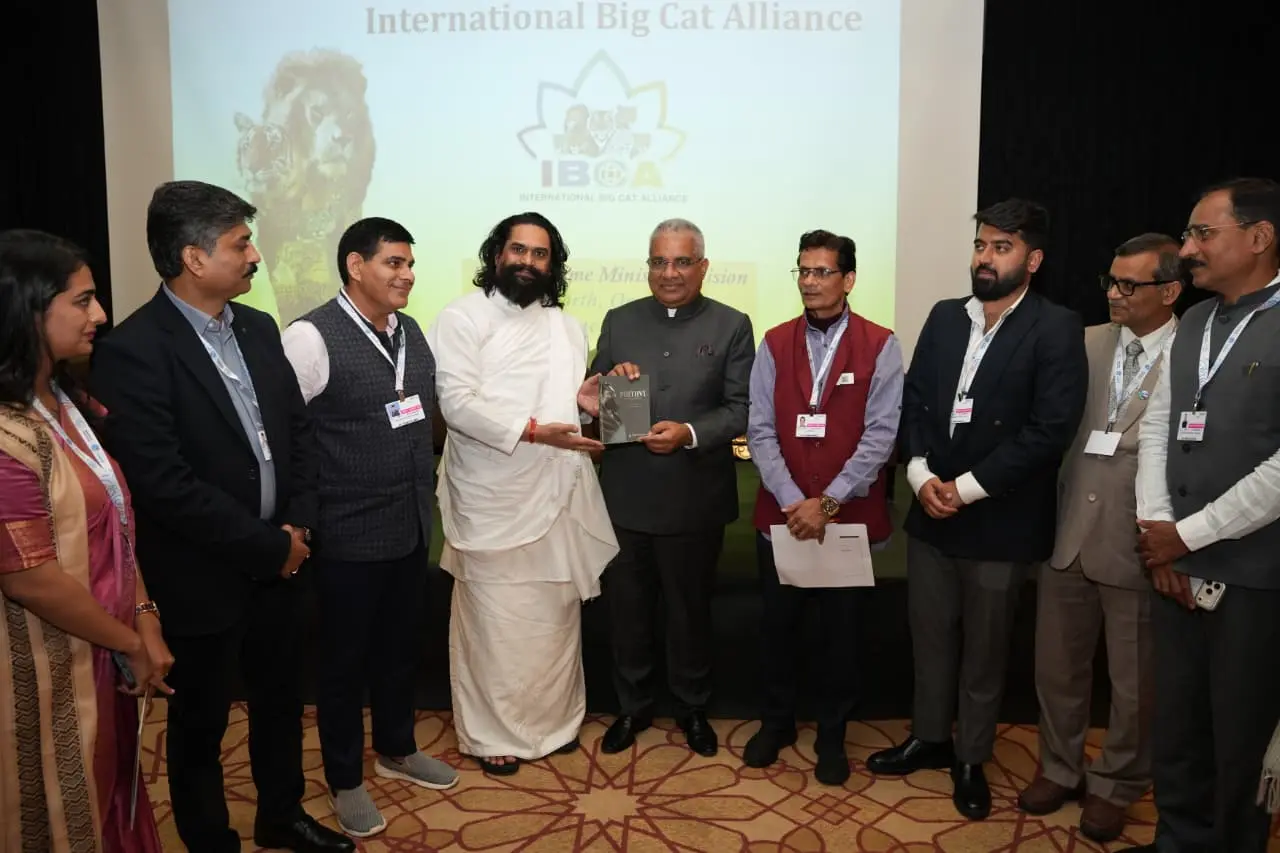
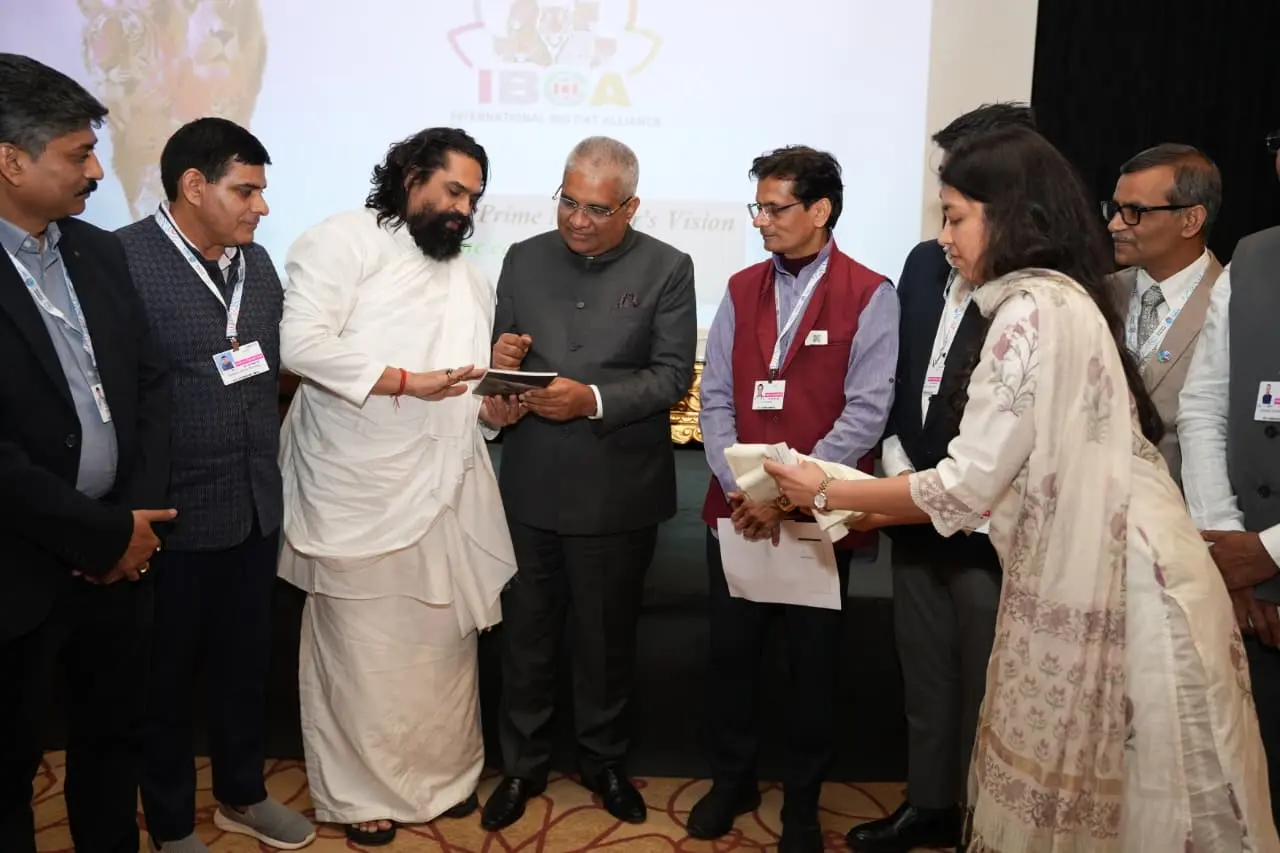
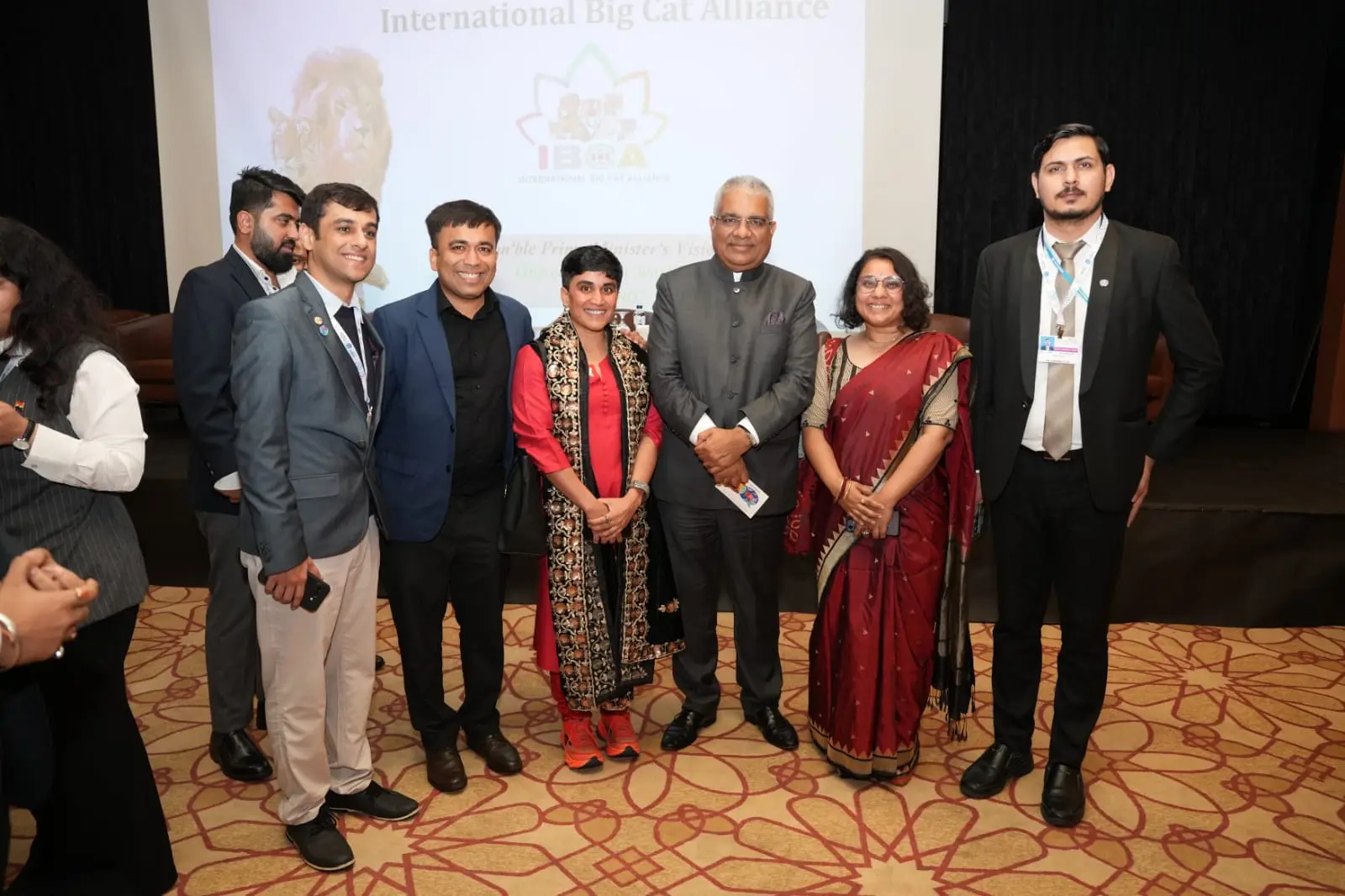
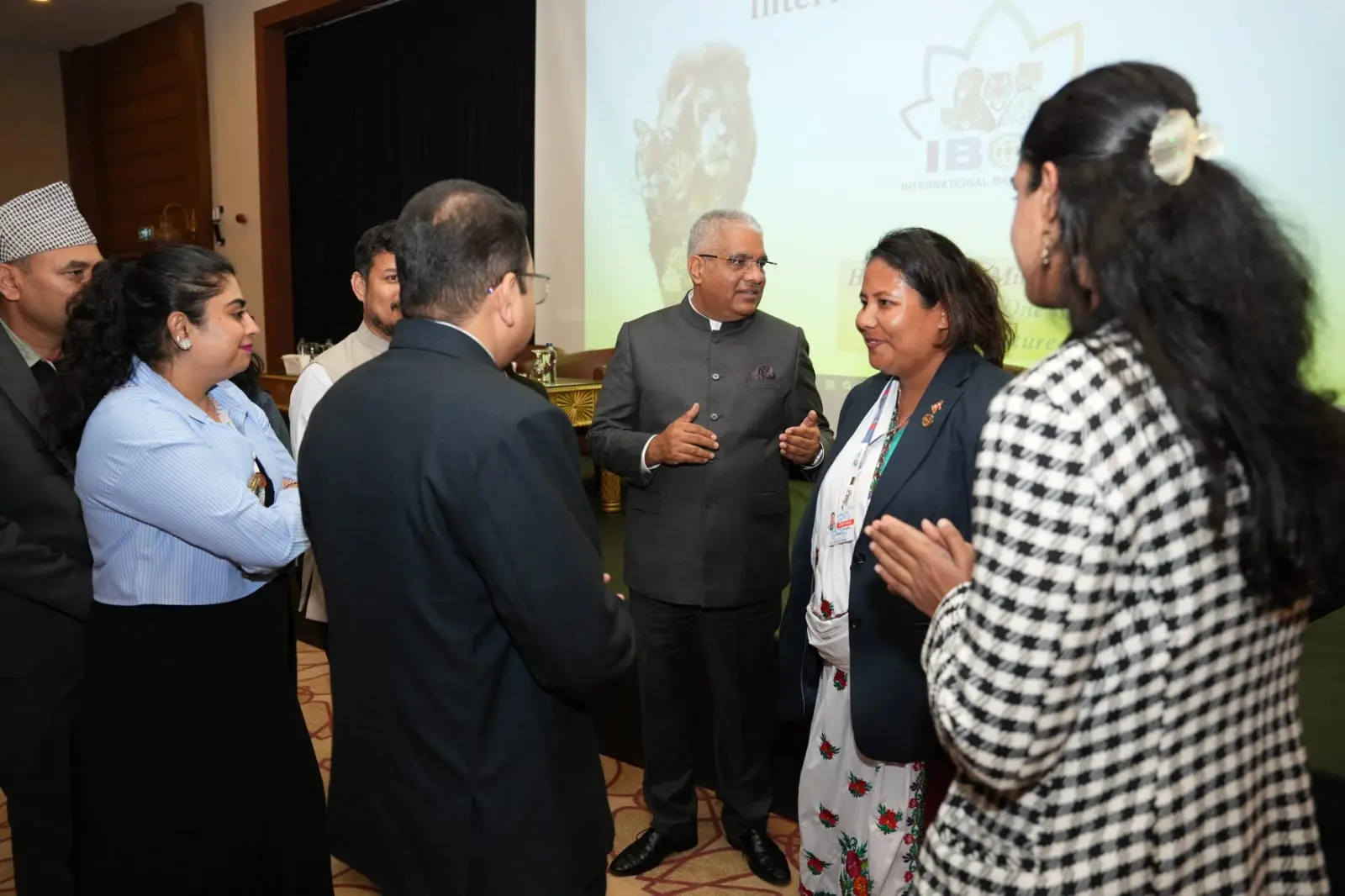
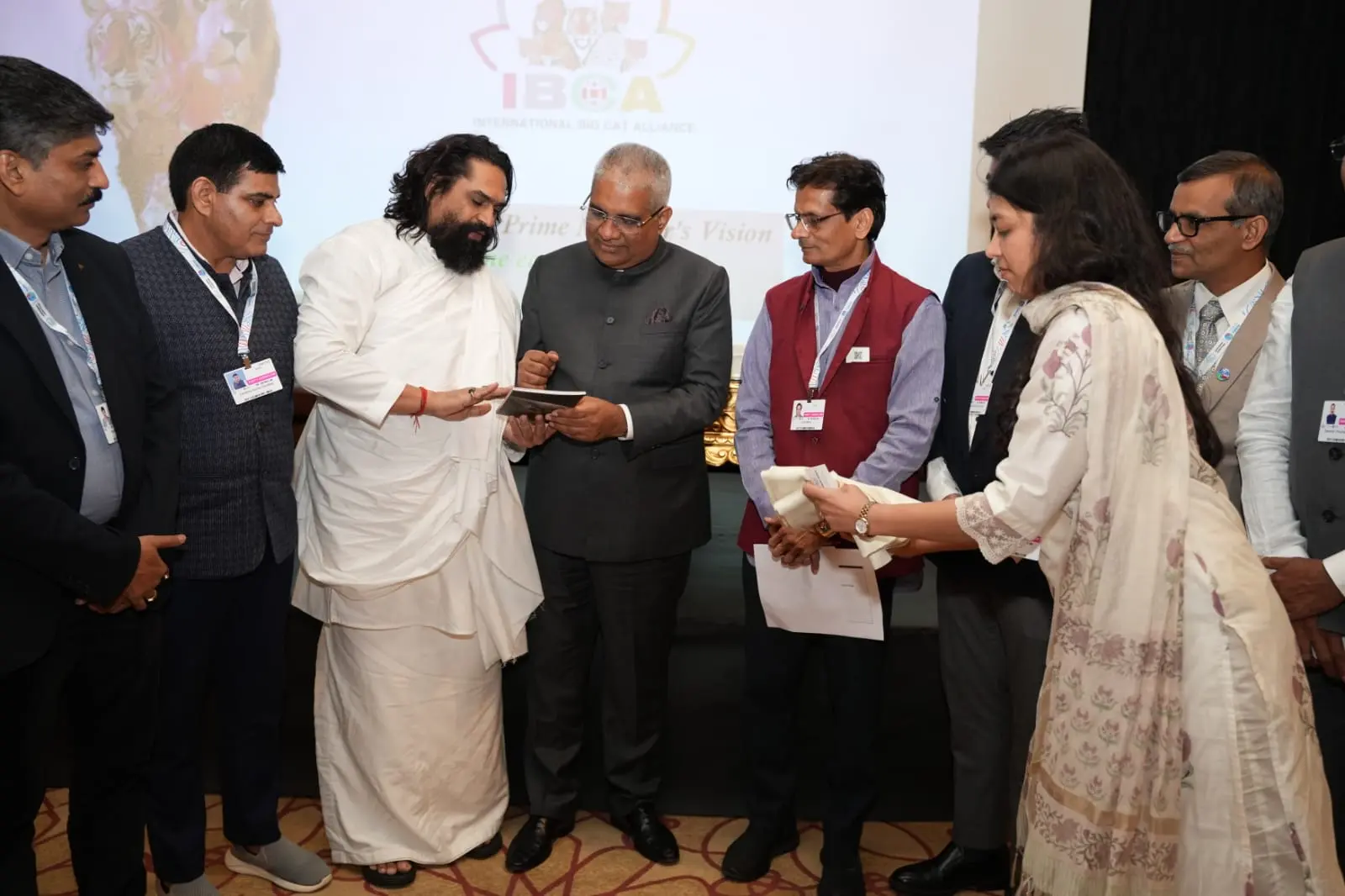
One of the significant moments of Yogiji’s participation was his interaction with Shri Bhupender Yadav, Hon’ble Union Minister for Environment, Forest and Climate Change, Government of India, during the International Big Cat Alliance event.
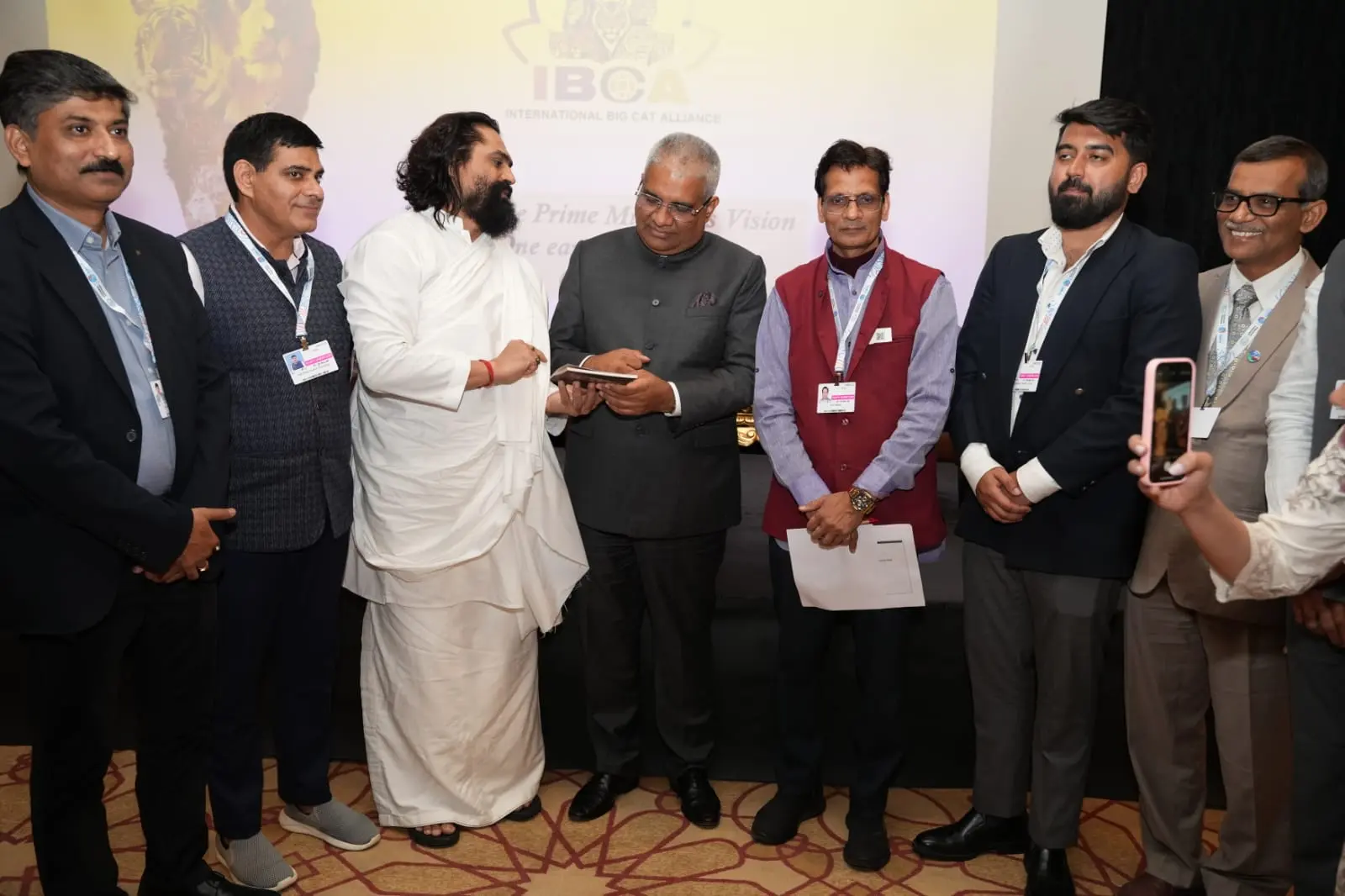
During the gathering, Yogiji had the opportunity for a brief personal interaction with the Hon’ble Minister, during which he presented “Prithvi”, one of the five books in Ooj Foundation’s Panchatattva Series, along with a ceremonial shawl from the Foundation.
The interaction also provided an opportunity to share his thoughts on the relationship between consciousness, ecological balance and climate responsibility, reflecting the philosophy that guides Ooj Foundation’s work.
The Prithvi volume explores the significance of the Earth element in sustaining life and the deeper connection between human consciousness and the natural environment.
For Yogiji, the interaction was particularly meaningful as it brought together two complementary perspectives: the importance of institutional leadership in environmental conservation and the role of individual consciousness in nurturing a more responsible relationship with nature.
The occasion reflected Ooj Foundation’s continuing endeavour to bring the wisdom of the Panchatattva into contemporary conversations on climate action and sustainable living.



Beyond COP31: Exploring Ancient Civilisations and the Five Elements
Beyond his engagements at COP31, Yogiji’s journey through Türkiye also offered an opportunity to explore the country’s remarkable natural and civilisational heritage.
His visit to Pamukkale and the ancient city of Hierapolis provided an occasion to reflect upon how ancient societies understood and interacted with the natural elements.
Pamukkale, renowned for its white mineral terraces formed by thermal waters, presents a remarkable landscape shaped by the interaction of earth, water and geothermal energy.
Adjacent to it lies Hierapolis, an ancient Greco-Roman city that developed around the region’s thermal springs. Its archaeological remains, temples, public baths and healing traditions offer insights into a civilisation where natural resources, cultural life and spiritual beliefs were closely intertwined.
For Yogiji, these landscapes provided an opportunity to contemplate the philosophy of the Panchamahabhutas , Prithvi (Earth), Jal (Water), Agni (Fire), Vayu (Air) and Akash (Space).
The mineral-rich earth, flowing thermal waters, geothermal heat, surrounding atmosphere and expansive landscape offered a symbolic expression of the five elements that form the foundation of the Panchatattva philosophy.
Although the cultural traditions of ancient Hierapolis and Indian philosophical thought developed independently, their engagement with the natural world invites reflection on humanity’s enduring search to understand the forces that sustain existence.
The visit offered a reminder that long before contemporary discussions on climate change and sustainability, human civilisations had developed profound relationships with the landscapes and natural resources around them.


Consciousness and Climate: A Deeper Connection
Reflecting upon his experiences during COP31 and his exploration of Türkiye’s ancient heritage, Yogi Priyavrat Animesh emphasised the importance of recognising consciousness as a dimension of environmental responsibility.
The philosophy of Panchatattva recognises the interconnectedness of the five fundamental elements that sustain life.
From this perspective, the environmental challenges facing humanity are not merely questions of technology, policy or resource management. They also invite a deeper examination of human behaviour, values and our relationship with the natural world.
Conservation of forests, protection of wildlife, preservation of water resources and responsible use of the Earth’s natural systems require collective action supported by individual awareness.
For Yogiji, consciousness is not separate from climate responsibility; it is a foundation upon which a more harmonious relationship with nature can be cultivated.
Scientific advancement, environmental governance and international cooperation remain essential to addressing climate change. Equally important is the cultivation of an inner awareness that encourages restraint, respect for nature and responsibility towards future generations.
The ancient Indian understanding of the Panchamahabhutas offers a philosophical framework through which this relationship can be explored.
Taking the Dialogue Forward: Ooj Foundation’s Vision
Yogiji’s visit to Türkiye brought together three important dimensions of Ooj Foundation’s continuing work: climate consciousness, environmental stewardship and the exploration of ancient wisdom.
His engagements during COP31, interaction with the Union Environment Minister, conversations with conservation practitioners and reflections on Türkiye’s natural and cultural heritage reinforced the relevance of consciousness-based approaches to contemporary environmental challenges.
Through the Panchatattva Series, public dialogues and outreach initiatives, Ooj Foundation seeks to encourage a deeper understanding of the relationship between consciousness, humanity and the natural environment.
The Foundation envisions continued engagement with individuals, institutions and communities working towards environmental awareness, ecological responsibility and sustainable living.
As global conversations increasingly focus on the urgency of climate action, Ooj Foundation seeks to contribute a complementary perspective: that lasting environmental transformation must be supported not only by changes in systems and policies, but also by a transformation in human consciousness.
Yogi Priyavrat Animesh’s journey to COP31 represents another step in this continuing endeavour connecting ancient wisdom with contemporary global challenges and encouraging a more conscious, compassionate and responsible relationship with the planet.